Capes are the classic oversizing story. The old unit was often sized for a drafty 1950s house with single-pane windows and no insulation; the house you have now may have new windows, added insulation, and a finished dormer. A proper heat-loss calculation — square footage, insulation, windows, air leakage — usually lands well below the old unit's rating. Oversizing a new boiler buys short-cycling, soot (on oil), and wasted fuel for the next 25 years.
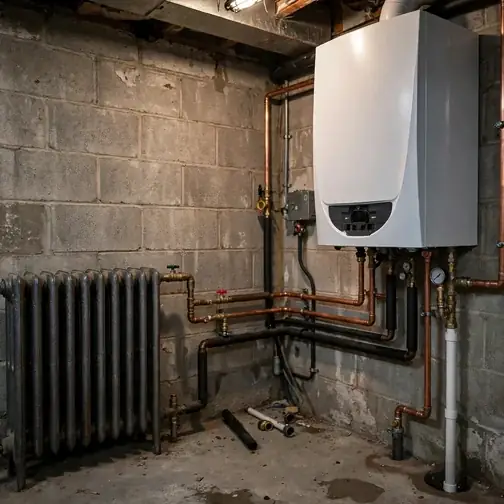
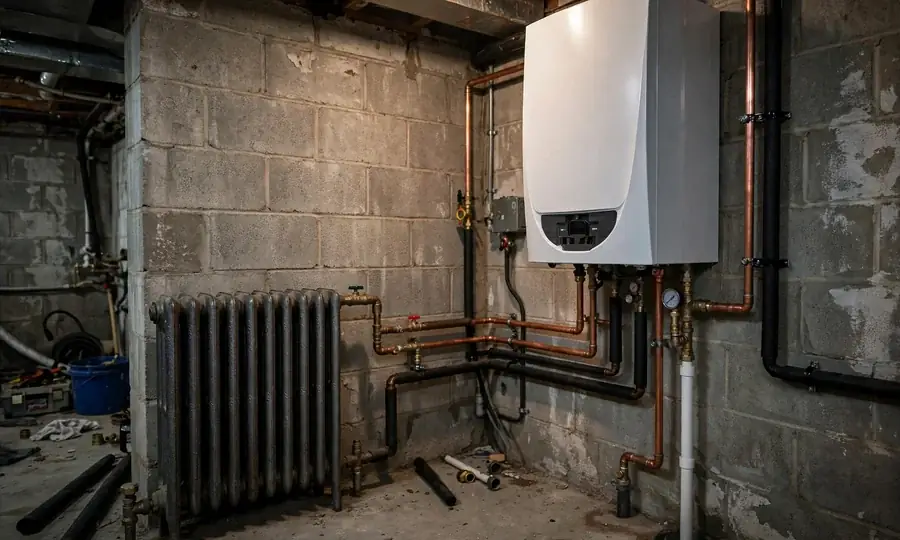
Shore homes need the opposite caution: do not size for the worst January night as if every night is January. The honest middle is sizing for the real design temperature with the distribution system — radiators or baseboard — checked for compatibility, since old high-temperature radiation and modern low-temperature boilers are a pairing that needs a professional's eye.
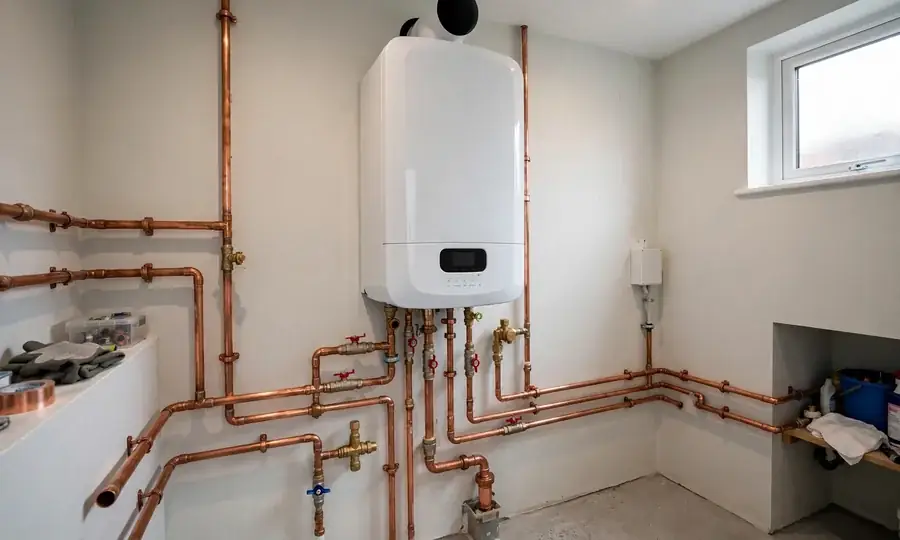
Ranches and split-levels with baseboard are the straightforward cases, but the water side still gets reviewed: expansion tank sizing, auto-fill valve function, and whether the existing piping matches the new unit's flow requirements. The boiler pressure guide explains the 12–15 psi cold target the new system should hold from day one.