How long does a Malden boiler replacement take?
One to two days like-for-like; longer for multi-family repiping or venting changes. Coordinate the no-heat window with tenants in advance.
Replacing a boiler in Malden? Call to discuss your situation.
General inquiries: 7 AM–7 PM · Emergency calls: 24/7 · (888) 766-1474
The paperwork, plainly.
Boiler replacements in Malden require permits and inspections — gas work, especially. Your installer should handle the permit process; ask explicitly what is included in the quote. A quote that hand-waves permits is a red flag.
What inspections verify: proper venting, gas piping to code, combustion safety, and correct installation per manufacturer specs. The inspection protects you — it is an independent check that the work was done right. Never let an installer talk you out of permitting to "save money."
Malden's replacement story.
In a multi-family building, the fuel savings multiply across units — the payback math is the strongest in our coverage.
But condensing only condenses with proper system design: return water cool enough (sizing + outdoor reset), condensate drainage planned, and wall-venting with proper clearances. An oversized condensing boiler on a high-temp system is an expensive atmospheric boiler.
One boiler, many stakeholders.
Replacing a boiler in a two- or three-family means coordinating with tenants (no-heat windows), fair distribution (zoning that ends the cold-unit complaints), and landlord economics (efficiency that pays back through lower fuel bills or higher rents). The installation plan should address all three — not just the box swap.
Demand: heat-loss sizing (not the nameplate), near-boiler repiping, zone controls with outdoor reset, startup tuning verified with instruments. See our national installation guide.
Five questions.
When gas is on your street.
A conversion is more than a boiler swap — the scope typically includes the utility service line to the house, new gas piping, venting or a chimney liner sized for the new unit, and permits handled by the installer. That scope is why the decision starts with the existing boiler’s remaining life, not with fuel prices.
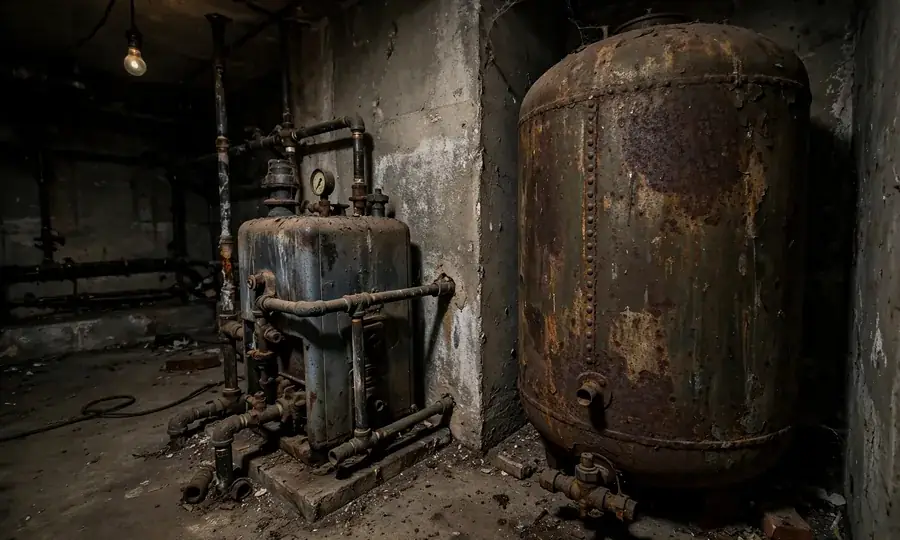
The honest inputs: block condition (sound or weeping?), boiler age, service history, and tank condition. A 15-year-old oil boiler with a sound block and a good tank is usually worth keeping on oil with annual service — conversion math rarely wins mid-life. A 35-year-old unit with a weeping block and a rusting tank is a different conversation, and that is when gas deserves a full quote alongside the oil option. If the burner still has reliable life in it, oil burner service in Malden buys you decision time without committing to either path.
Straight answers before you call.
One to two days like-for-like; longer for multi-family repiping or venting changes. Coordinate the no-heat window with tenants in advance.
Usually the strongest payback in our coverage — fuel savings multiply across units. But only with proper sizing and outdoor reset; otherwise you pay condensing prices for atmospheric performance.
Condensing units, yes — with proper clearances from windows, doors, and property lines (tight in dense Malden lots). Your installer plans the termination.
Yes — gas boiler work requires permits and inspection. Your installer should handle it; confirm it is in the written quote.
Get another installer. Unpermitted gas work voids warranties, complicates home sales, and skips the independent safety check. It is never worth it.
Related services in the Malden area.
Call (888) 766-1474 — start with a proper heat-loss assessment.