ARLINGTON OIL SERVICE

Oil Boiler Repair in Arlington, MA

Oil burner trouble in Arlington? Aging burners, old tanks, never serviced: call to describe the symptoms.

✓ Ask about fuel-specific repairs✓ Burner rebuilds✓ Confirm coverage by ZIP

General inquiries: 7 AM–7 PM · Emergency calls: 24/7 · (888) 766-1474

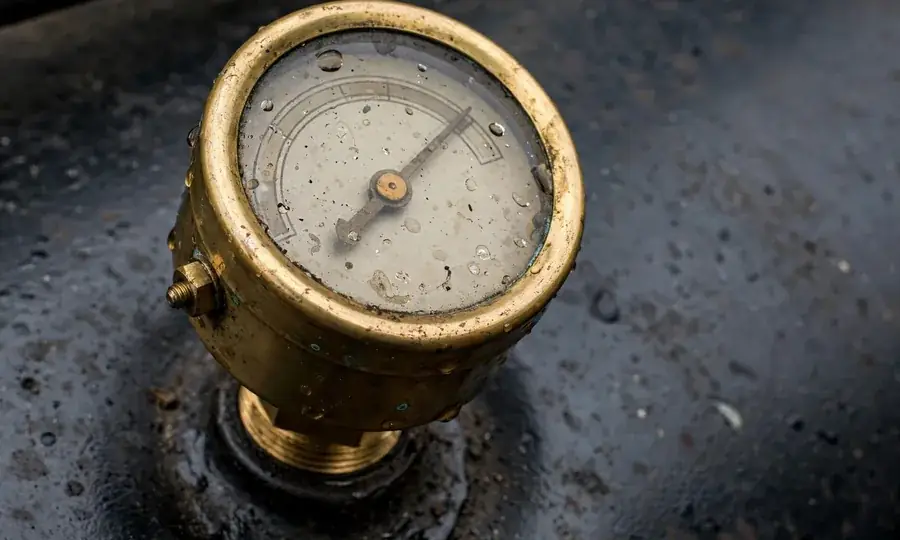
Brass oil tank gauge on a heating oil tank

The never-serviced boiler: first visit

What to expect.

If your Arlington oil boiler has never been professionally serviced — common here — the first visit is a catch-up service, not a standard tune-up. Expect: nozzle and filter replacement, electrode inspection and adjustment, combustion testing (the first real efficiency number the unit has ever produced), tank inspection, and a findings list — usually several minor issues, occasionally one significant one.

Do not be alarmed by the list; be alarmed you waited. The catch-up service is the single highest-value heating appointment an Arlington oil homeowner can book — it converts an unknown-risk 30-year-old burner into a known quantity.

Oil Boiler Repair in Arlington, MA

Arlington's oil minority

Bigger than it looks.

These are older colonials and capes where the original oil boiler outlasted every renovation around it. The profile is familiar: decades without service , aging indoor tanks , burners running on borrowed time.

The triage always asks service history and tank age — in Arlington, "never serviced" is the most common answer, and it writes the diagnosis.

Oil Boiler Repair in Arlington, MA

Read your symptoms

Oil symptoms, decoded.

  • Burner runs briefly, then lockout — nozzle, electrodes, or fuel starvation
  • Soot or smoke puff on startup — delayed ignition on a worn burner
  • Strong oil smell — leak at filter, fittings, or tank; ventilate, call promptly
  • Filters clog constantly — tank rust and sludge; the tank is the problem
  • Tank gauge drops but burner starves — water or sludge at the pickup

For the full burner-component breakdown, see our national oil boiler repair guide.

Tank replacement signals

When the tank is done.

Watch for: weeping or damp spots on the tank bottom, strong fuel odor near the tank, rapid filter clogging, or a tank over 30 years old with unknown history. Above a finished basement — common in renovated Arlington colonials — a failing tank is doubly urgent.

Oil-to-gas conversion math for Arlington

Oil burner problems can involve fuel supply, filters, ignition components and the condition of the tank. Describe your symptoms and system when calling.

Gas mains serve most of town, so conversion is physically feasible for the majority of oil homes. But feasibility is not a recommendation; the scope decides. A conversion typically includes the utility service line to the house, new gas piping, venting or a chimney liner sized for the new unit, removal of the old tank, and permits — a project, not a swap.

The honest inputs are the same as any replacement decision: block condition, boiler age, service history, and tank condition. A mid-life oil boiler with a sound block is usually worth keeping on oil with annual service; a 35-year-old unit with a weeping block and a rusting tank above a finished basement is when gas deserves a full quote next to the modern-oil option. Either way, get the scope in writing and the sizing from a heat-loss calculation. Our Arlington installation page walks through how that assessment should run.

Oil Boiler Repair in Arlington, MA

Frequently Asked Questions

Straight answers before you call.

01

My oil boiler has never been serviced. What happens on the first visit?

An honest assessment, not a lecture: the tech opens it up, evaluates the nozzle, electrodes, filter, and heat exchanger, runs a combustion test, and tells you what years of neglect cost. Some never-serviced units clean up beautifully; others reveal a block past saving. Either way you get the truth about what you own, measured, not guessed.

02

What is the story of Arlington's oil minority?

They are the town's maintenance orphans: gas got the attention, oil got skipped. The burner track — annual tune, filter, tank watch — is their path back to reliability. Say oil first and you get the right questions.

03

How do I know my oil tank needs replacing?

Age is the headline — indoor tanks corrode from the inside, so a 30-plus-year-old tank deserves professional eyes regardless of appearance. Weeping seams, blistering paint, and a new fuel smell are the visible warnings. The tank matters more than the boiler's age: a sound boiler on a failing tank is still an emergency waiting for January.

04

What is the oil-to-gas conversion math in Arlington?

Gas serves most of town, so the infrastructure question is usually easy; the math is the equipment's remaining life, the tank's condition, and your renovation plans. Converting at replacement time is the natural moment — doing it mid-life on a healthy oil unit rarely pays. Get the whole-system picture, including the chimney, before deciding.

05

What burner faults show up in colonials with indoor tanks?

The neglect set: worn nozzles, fouled electrodes, sludge-loaded filters, and heat exchangers caked from skipped services — plus tank-bottom water from condensation in half-empty indoor tanks. Indoor tanks are kinder than outdoor ones, but they still need the gauge watched and the annual tune kept. The colonial basement is forgiving; the burner is not.

Oil burner trouble in Arlington?

Call (888) 766-1474 — describe the symptoms for oil-specific triage.

☎   Call (888) 766-1474