
Identify boiler construction and system
Confirm the manufacturer and model, whether it is steam or hot water, and the fuel and venting arrangement.
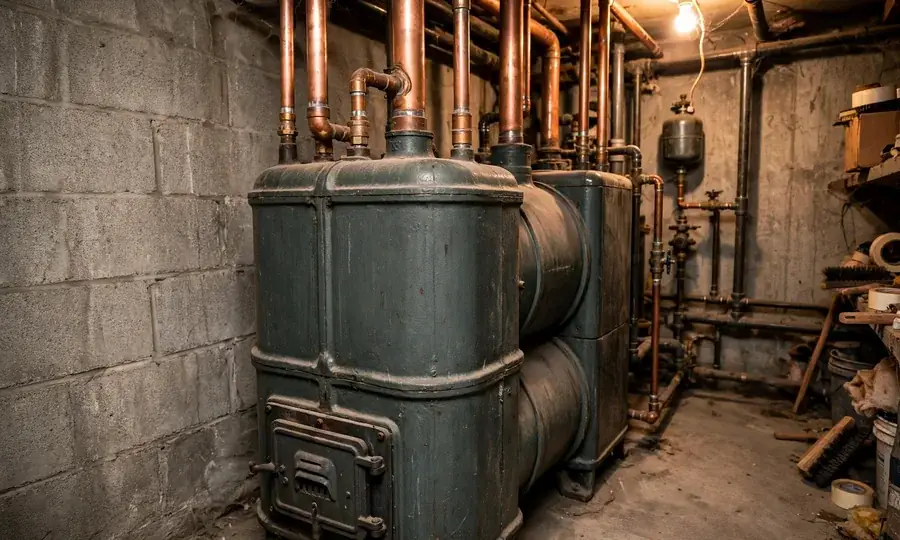
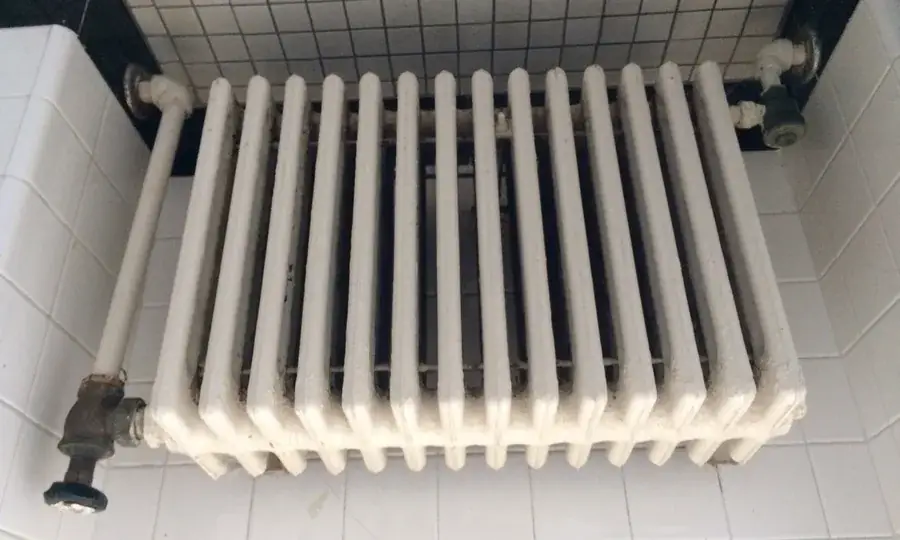
Cast-iron boilers are often built from heavy sections joined to form a heat exchanger. They may serve hot-water or steam systems and use gas or oil burners. Diagnosis should distinguish replaceable controls and piping faults from damage to the cast-iron sections themselves.
General inquiries: 7 AM–7 PM · Emergency calls: 24/7. Service availability must be confirmed.
Enter your ZIP code or city, or call to ask about available service options.
Search results do not guarantee coverage or an appointment.
These symptoms help explain what may need professional attention.
Symptoms can have more than one cause. Avoid opening sealed equipment, modifying safety devices, or working on live electrical or pressurized components.
An assessment should identify the actual fault before parts or equipment are recommended.
Confirm the manufacturer and model, whether it is steam or hot water, and the fuel and venting arrangement.
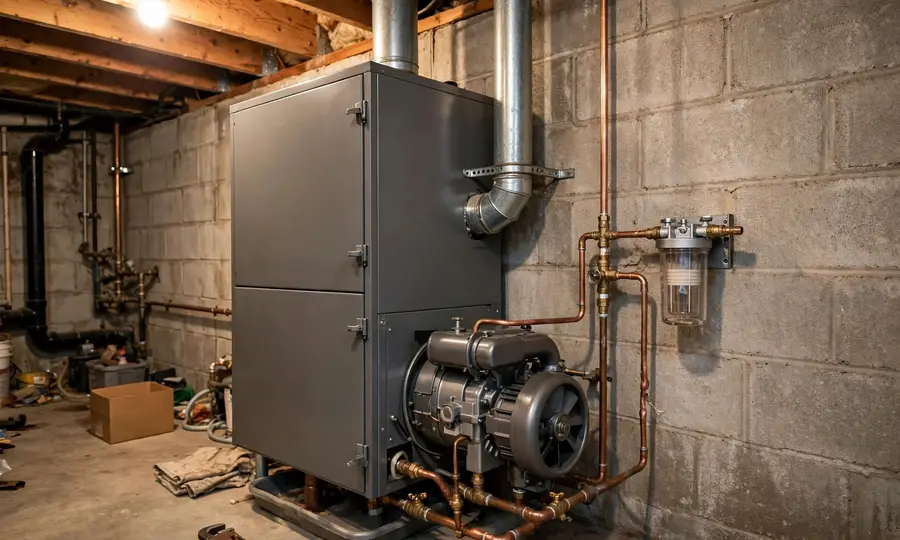
Qualified personnel may evaluate cast-iron sections, joints, piping connections, burner operation, and the relevant controls.
A minor replaceable control fault differs from a cracked section. Discuss repairability, parts, total cost, and equipment age.
Do not open a boiler cabinet, alter gas fittings, bypass safety controls, or work on pressurized components without appropriate qualifications.
Call first, describe the problem, and confirm local availability and charges.
Call (888) 766-1474 and explain the type of service you need.
Share the fuel type, model if known, and the symptoms or project goals.
Provide your ZIP code to ask whether service options are available.
Ask about assessment fees, scheduling, and any estimate before authorizing work.
Cast-iron sectional boilers are the tanks of the heating world. Their failure mode is slow and specific.
The boiler is a stack of cast-iron sections joined by push nipples — tapered steel sleeves sealing section to section. Cast iron shrugs off decades of heat cycling, which is why 30- and 40-year-old units still run. What kills them is thermal shock (cold water flooding a hot boiler cracks sections), low-water operation (sections overheat without water to carry heat away), and oxygen corrosion from chronic fresh-water makeup feeding a leak.
When a section cracks, water weeps or streams from between sections. Individual sections can sometimes be replaced — the block is unbolted, the bad section split out, a new one drawn in — but on old units the labor approaches replacement cost, and neighboring sections are often nearly as tired.
Section failures announce themselves with water.
Answers to common questions before you request an assessment.
It uses a cast-iron heat exchanger, often made from multiple sections, to heat water or produce steam for space heating.
Some faults involving seals or replaceable sections may be repairable on certain models. A cracked casting may make replacement more appropriate.
No. Cast-iron equipment is used in both hot-water and steam heating systems.
Both types exist. Fuel and burner configuration depend on the installed model.
Potential sources include piping joints, valves, section connections, or a damaged section. The actual leak must be located.
Often burner or control issues are separate from the heat exchanger, but component compatibility and equipment condition must be checked.
The cost varies widely between a control repair and major section work. Request diagnosis, parts availability, and a written scope.
A cracked section, difficult-to-source parts, repeated major repairs, or other system upgrades may favor replacement after an assessment.
A cracked section cannot be reliably welded for pressure service — section replacement is the proper fix. Whether that is sensible depends on the boiler's age and the cost of splitting the block versus replacing the unit. A technician who has seen the leak location and the boiler's overall condition can lay out both numbers.
Sealants sometimes slow a weep temporarily, but they circulate through pumps, valves, and air separators too, and they do not address why the section cracked. On a boiler you intend to keep, proper section replacement beats sealant; on one you plan to replace soon, sealant is at best a stopgap.
Learn about related heating-system problems and repair considerations.
Explore service →
Learn about related heating-system problems and repair considerations.
Explore service →Learn about related heating-system problems and repair considerations.
Explore service →
Learn about related heating-system problems and repair considerations.
Explore service →Share the boiler model, whether it uses steam or hot water, and what has changed. Call about repair assessment or replacement options in your area.
Call (888) 766-1474Tell us what's happening with your heating system and where service is needed.