
Why does my Burnham Independence boiler stop heating?
A steam system can stop because of a burner or safety-control condition. Low-water protection and pressure controls need appropriate checks; cold radiators alone do not identify the failed part.
Burnham boilers span traditional cast-iron heating models and newer condensing equipment. If an Independence steam boiler is not warming radiators or an Alpine shows a fault, describe the model and symptom before requesting an assessment.
General inquiries: 7 AM–7 PM · Emergency calls: 24/7. Service availability must be confirmed.
Enter your ZIP code or city, or call to ask about available service options.
Search results do not guarantee coverage or an appointment.
An Independence steam boiler, Series 2 hot-water boiler and Alpine condensing unit have different operating controls. Matching the symptoms to the correct family avoids guesswork.
Gas odors or carbon monoxide alarms require leaving the building and contacting emergency services or the gas utility from a safe location. Do not defeat safety devices or service gas piping yourself.
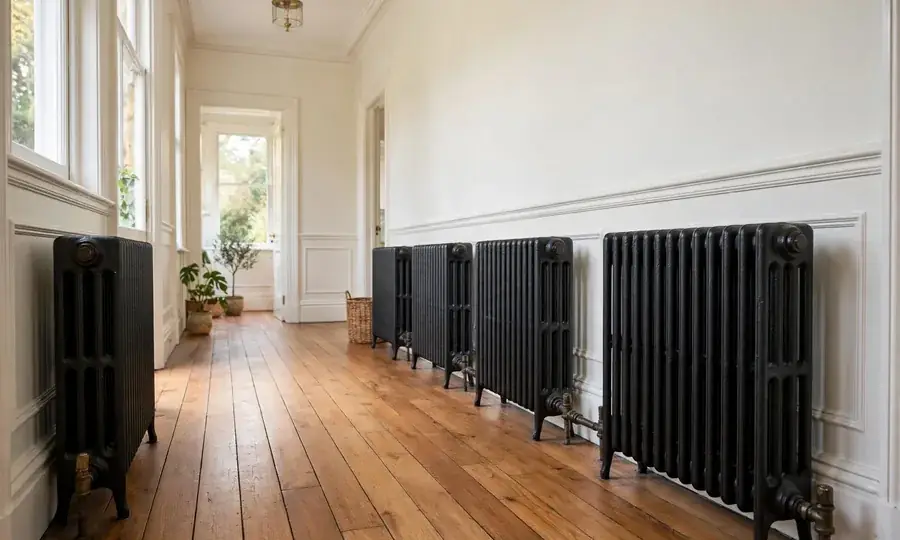
The first distinction is steam, conventional hot water or condensing hydronic heat.
Write down Independence, Alpine, Series 2, ES2 or other model details. For steam, describe water-level changes and radiator vents; for hot water, identify affected zones.
Steam inspections can involve low-water and pressure controls; Alpine checks may involve display history, combustion, vent/condensate components and water flow. Testing is professional work.
Circulators, vents, sensors or external piping may be repair candidates. A confirmed leaking boiler casting or extensive corrosion merits a replacement comparison.
Call (888) 766-1474 for an inquiry. Exact model support, scheduling and service availability must be confirmed for your area.
Mention whether your Burnham heats steam radiators, hot-water baseboards or a condensing loop.
Describe a display fault, pressure issue, water-level problem, no-heat condition or leak.
Share the city or ZIP code to check whether assistance can be arranged.
Confirm the diagnostic fee, availability, model compatibility and quote process.
Burnham range spans old-school cast iron to the Alpine condensing line.
The Series 2 and IN lines are atmospheric cast-iron gas boilers — decades of them in basements. Expect section weeps with age and, on the gas train, thermocouple/pilot issues on older standing-pilot versions and ignition-control faults on intermittent-pilot ones. The PVG and similar power-vented units add an inducer and pressure switch to the fault list. The Alpine is Burnham's modulating condensing boiler: stainless steel exchanger, and the usual mod-con concerns — condensate drainage, ignition components, and water-flow-related lockouts.
Match the line to the symptom.
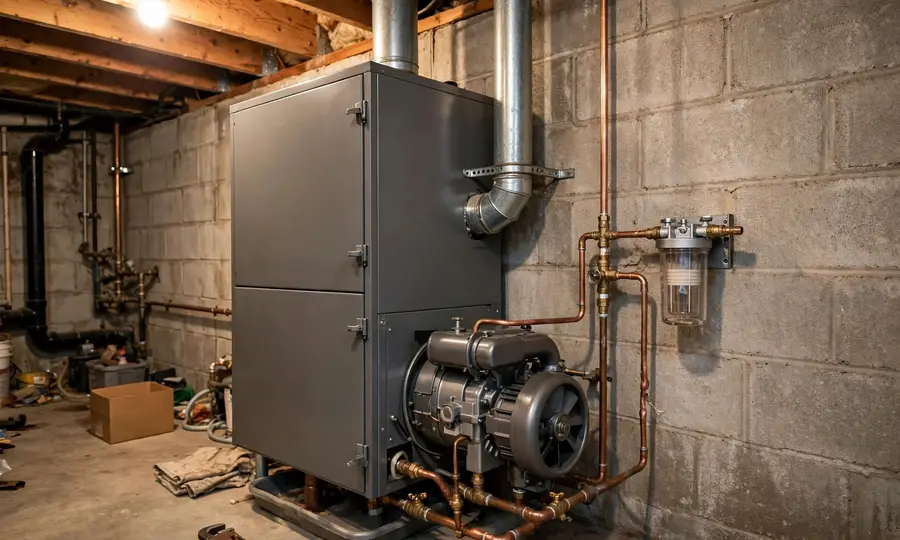
Model-specific questions to discuss before authorizing a repair.
A steam system can stop because of a burner or safety-control condition. Low-water protection and pressure controls need appropriate checks; cold radiators alone do not identify the failed part.
No. A soft lockout is a reported operating state, not a definitive replacement recommendation. The exact fault message and the applicable Alpine manual are required to identify the root cause.
Water trapped or moving incorrectly in steam piping can create water hammer. Radiator pitch, vents, return lines and near-boiler piping may matter more than boiler controls.
Yes. A hot boiler with cold rooms can reflect a circulator, zone-control or air problem. Checking delivery helps avoid replacing good burner parts.
Find the approximate source from a safe distance. A valve or pipe connection differs from a compromised cast-iron section. Active water near electrical equipment needs prompt assessment.
A steam control, circulator replacement and condensing fault investigation have different labor and parts requirements. Request a diagnosis and itemized authorization rather than a price based on the brand alone.
A safe, repairable external control fault may justify repair, while a leaking section, chronic corrosion or costly parts issue can shift the calculation. Compare full installed replacement scope.
Share model family, approximate age, whether it is steam or hot water, affected rooms, observed faults, and location. Avoid unsafe attempts to operate an unfamiliar low-water or burner control.
Quite possibly. Power-vented and direct-vent terminals can ingest wind-driven rain, and pressure switches are sensitive to it. If lockouts cluster around storms, the vent termination and its drainage deserve inspection before any parts are condemned.
Often yes for control and burner-component faults — those are inexpensive relative to replacement. Section leaks are the decision point: splitting a 25-year-old block is major labor, and adjacent sections are the same age. A tech who has seen the leak can give you the repair-vs-replace numbers honestly.
If the fault is in another part of the heating system, these services may help narrow the next step.
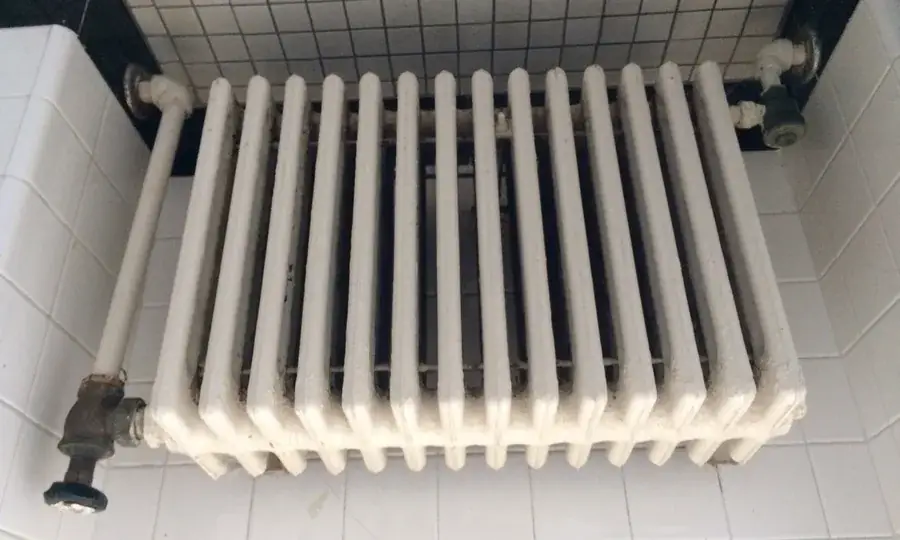
Steam radiator, water-level and pressure-control issues.
View Steam Boiler Repair →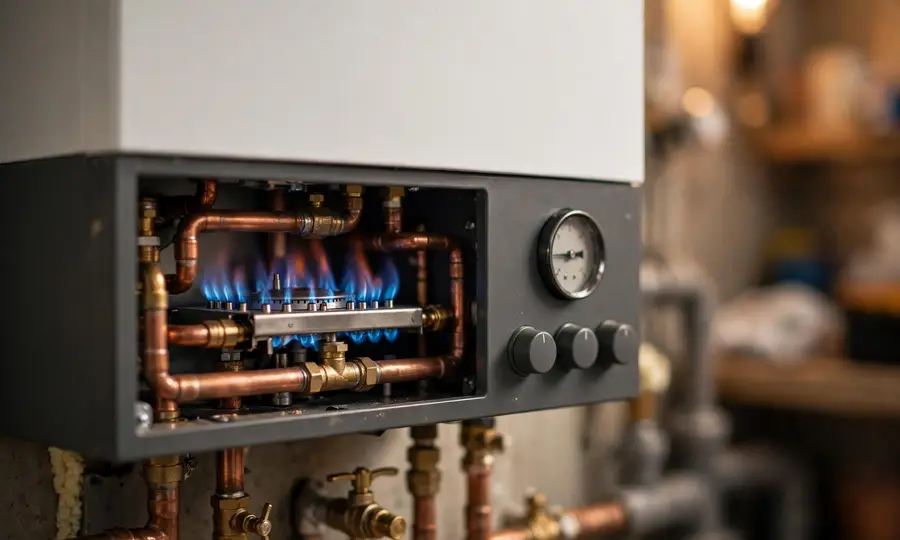
Burner ignition, combustion and safety-control faults.
View Gas Boiler Repair →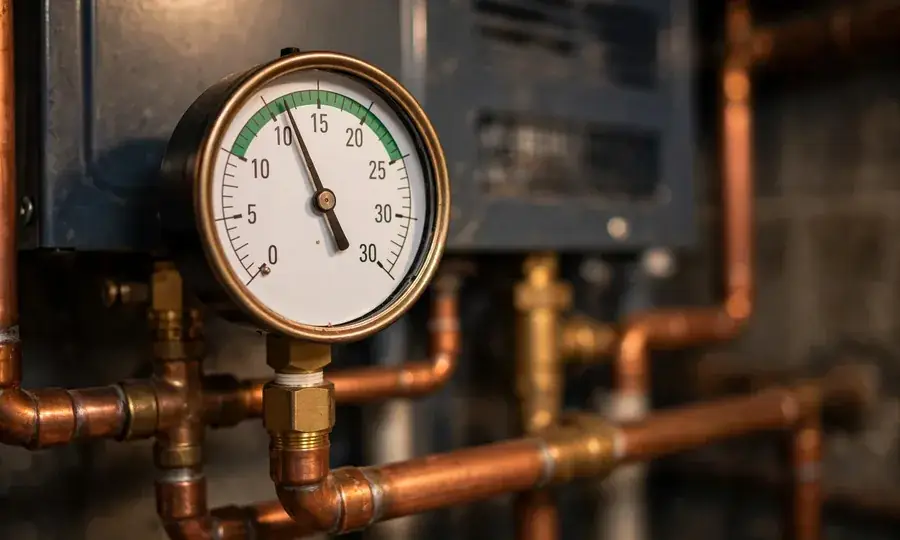
Water loss, leaks, relief valves and expansion systems.
View Boiler Leak & Pressure Repair →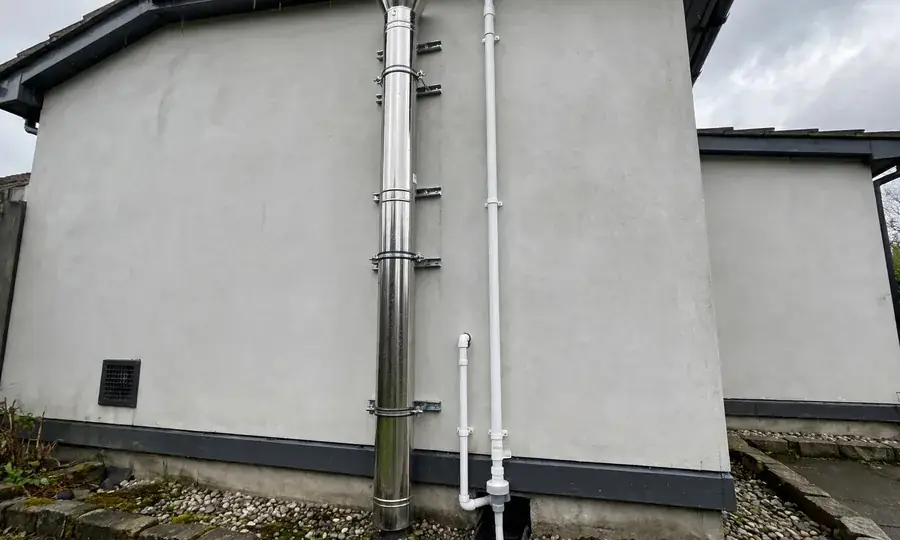
Condensate, ignition and high-efficiency boiler concerns.
View Condensing Boiler Repair →Select manuals by the exact Burnham model. Alpine condensing guidance should not be applied to Independence steam controls.
U.S. Boiler / Burnham literature and manuals ↗
Boiler Repair Pro is not an authorized or certified Burnham service provider. References are supplied to help identify the correct product; brand names belong to their owners.
Call with the Burnham model, whether radiators are steam or hot water, and any fault or leak details. Ask about inspection options before authorizing repair.
Call (888) 766-1474General inquiries: 7 AM–7 PM · Emergency calls: 24/7. Local service availability must be confirmed.