
/>
MECHANICSBURG GAS BOILER SERVICE

Gas Boiler Repair in Mechanicsburg, PA

Most West Shore gas boilers fall into two camps: oil-to-gas conversions from the 80s through the 2000s, and newer condensing units in the outer townships. Both are gas, but they fail differently — conversions carry chimney and piping history, condensing units carry condensate and sensor faults. This page covers both.

✓ Conversion-aware gas work✓ Ignition & condensate✓ a phone conversation about symptoms

General inquiries: 7 AM–7 PM · Emergency calls: 24/7 · (888) 766-1474

Reading a West Shore conversion

What the technician sees in the first five minutes.

Walk into a West Shore basement and the story reads itself: a gas burner or boiler sitting in an oil-era footprint — the chimney sized for a different fuel, near-boiler piping laid out for a different block, radiators or baseboard chosen for hotter water than the current unit wants to make. Hundreds of Mechanicsburg-area homes converted from oil to gas between the 80s and the 2000s, and each conversion left fingerprints.

The fingerprints are the fault map: ignition components aging past their design life on the gas side, masonry chimneys quietly condensing flue gases they were never sized for, controls layered onto distribution from another era. A tech who reads the conversion first diagnoses faster — which is why the triage asks about fuel history before symptoms.

Gas Repair in Mechanicsburg, PA

The flame-proving problem

Why converted burners lie about the flame.

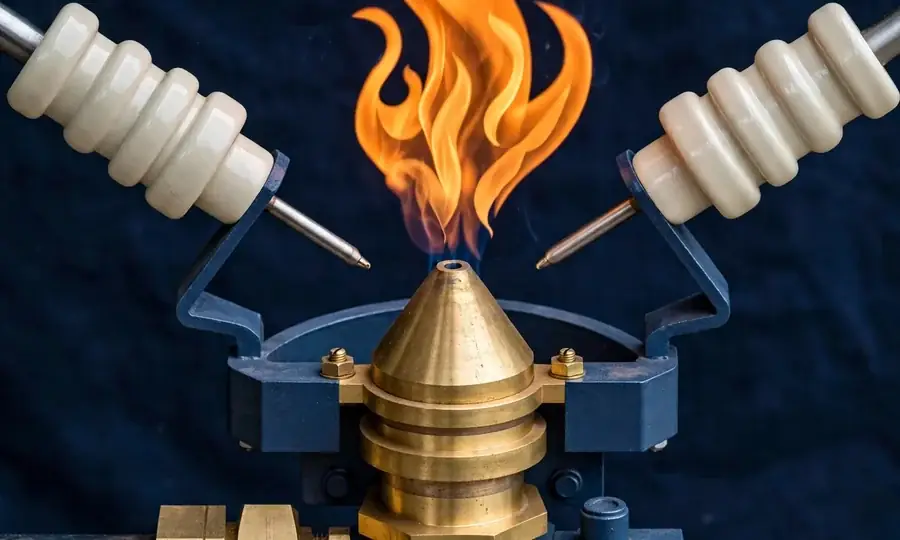
Gas burners prove flame by rectification: the flame conducts a tiny DC current, measured in microamps, back through the sensor rod. It's elegant — and it's the weak link on conversion-era equipment. The sensor rod grows an oxide skin that insulates it; the control sees microamps sag, concludes there's no flame, and shuts the gas off. Burner fires, flame exists, control disagrees: the classic fires-then-quits loop.

On West Shore conversions this hits harder because the burners are old and the sensors have been cleaned — not replaced — for years. A proper fix measures the flame signal (healthy is typically several microamps, steady) rather than just wire-brushing the rod and hoping. If your unit fires and drops repeatedly, say exactly that: ‘fires, then drops’ is the flame-proving signature, and it points the tech at the sensor circuit first.

Gas Repair in Mechanicsburg, PA

The chimney legacy

The slow failure nobody watches.

An oil-sized masonry chimney serving a gas unit runs cool — cool enough, often, to condense flue gases inside the flue. The condensate is acidic; the mortar and clay liner are not acid-proof. Year by year, the chimney deteriorates from the inside while the boiler gets blamed for the symptoms: intermittent lockouts, rollout trips, damp acrid smells near the flue.

The tells: white staining blooming on the chimney's exterior, flaking mortar joints, a flue that sweats in mild weather (when it runs coolest). A liner sized for the gas unit — or a direct-vent replacement that abandons the chimney — is the durable answer. Report any of these tells when you call; the chimney inspection moves to the front of the visit.

Gas Repair in Mechanicsburg, PA

How the visit runs

History first, analyzer always.

Conversion-aware diagnosis runs in order: history (which fuel, which decade, what changed), supply pressure at the gas valve, combustion analysis on the flue gases — the analyzer goes in every time, no exceptions — ignition components under load with flame signal measured, chimney and flue integrity checked as a structure, not a connection, and the water side (12–15 psi cold, expansion tank, auto-fill) verified as routine.

Carbon monoxide gets checked on every gas visit — the non-negotiable test on any fuel-burning appliance, and doubly so on conversion-era equipment in homes where the venting predates the boiler by decades.

Gas Repair in Mechanicsburg, PA

Frequently Asked Questions

Straight answers before you call.

01

My converted gas boiler locks out every few days. What is wrong?

On a conversion, the prime suspects are ignition components — flame sensor, igniter — plus draft problems from the old chimney listed area a gas burner. Conversions run cooler flue gases through flues sized for oil, which disrupts draft over time. A lockout every few days is an intermittent fault getting worse; diagnose it now instead of resetting through winter.

02

Is it safe to keep resetting my gas boiler?

No — one reset to see if it was a fluke is reasonable, but repeated resets override the safety control without fixing the cause. On converted units, the underlying fault is often draft-related, which does not improve with resets. Get it diagnosed; the lockout is the boiler asking for help.

03

What is that white PVC pipe on my boiler?

On a condensing unit, it is the condensate drain — the boiler extracts so much heat that the exhaust condenses into acidic water that must drain away. On a converted atmospheric unit, white PVC may be a replacement vent or drain added later. Either way, exterior runs can freeze in January; if yours does, the boiler will shut itself down.

04

There is white staining on my chimney. Is that a boiler problem?

Frequently — white staining or flaking mortar on a chimney serving a converted gas burner usually means flue gases are condensing inside an oversized flue, a classic conversion legacy. The acidic condensate eats the chimney from the inside. A liner sized for the gas burner is the standard fix; have the chimney evaluated before another heating season.

05

Do you service both conversions and new condensing units?

Yes — the West Shore has both in large numbers, from 80s and 90s conversions in the post-war townships to condensing units in the newest construction. They are different machines: conversions need draft and ignition expertise, condensing units need condensate, sensor, and electronics expertise. Say which you have when you call.

Mechanicsburg gas boiler services

Related services in the Mechanicsburg area.

For the oil side of West Shore history, the oil boiler page covers burner and fuel-supply work on the unconverted stock. Not sure it is fuel-specific? The general repair page triages symptoms across fuels. No heat on a freezing night is an emergency call; a finished block leads to the replacement page. Nationally, gas boiler repair and condensing boiler repair go deeper on these fault families.

Gas boiler fault in Mechanicsburg?

Call (888) 766-1474 — note the error code, the venting type, and any conversion history.

☎   Call (888) 766-1474