/>
LEVITTOWN GAS SERVICE

Gas Boiler Repair in Levittown, PA

Levittown's gas homes — conversions on PECO mains and newer condensing units in expanded homes — fail at ignition, flame sensing, and condensate. Gas triage asks different questions than oil: error codes, ignition attempts, and what the condensate drain is doing in a freeze.

✓ Ignition and flame faults✓ Condensate freeze-ups✓ 24/7 emergency telephone line

General inquiries: 7 AM–7 PM · Emergency calls: 24/7 · (888) 766-1474

Levittown gas specifics

Gas boiler faults may involve ignition, controls or circulation. Note any fault code and do not bypass safety controls.

Gas lives in two places: conversions where oil tanks were pulled and a gas line was run, and expanded or rebuilt homes that went straight to a condensing unit. That split matters, because a converted atmospheric boiler and a modern condensing wall-hung unit have almost nothing in common diagnostically.

Conversions often keep the old distribution — cast-iron radiators or baseboard — paired with a new gas boiler, and those hybrids produce their own fault patterns: pressure behavior the old system never had, condensate the old system never made. The Levittown guide maps where gas and oil split across the sections.

Gas Boiler Repair in Levittown, PA

Gas faults in Levittown

The short list, by how often the phone rings.

  • Ignition lockouts — failed ignition attempts that lock the control; the most common gas call, usually igniter or flame-sensor related
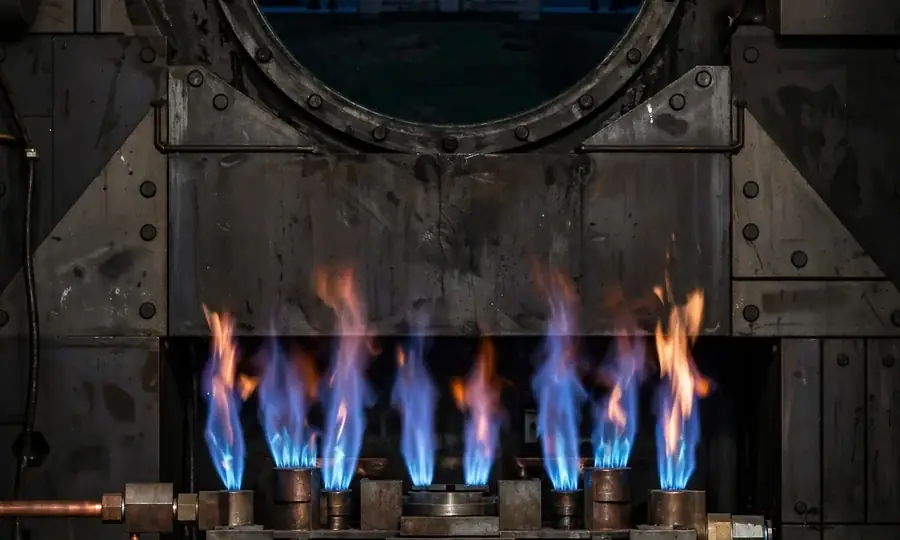
  • Flame-sensing dropouts — the burner lights then dies seconds later, a classic fouled or mispositioned flame sensor
  • Condensate freeze-ups — externally run condensate drains that freeze solid on January nights in the teens, shutting the unit down
  • Pressure loss on sealed systems — expansion tanks and micro-leaks; 12–15 psi cold is the normal band to watch
  • Flue and air-supply blockages — nests, ice, and debris at the termination, especially on sidewall-vented condensing units
  • Control and sensor faults — thermistors and pressure switches that drift with age and produce intermittent lockouts
Gas Boiler Repair in Levittown, PA

Read your symptoms

What the boiler is telling you, translated.

Lockout after a few ignition clicks, no flame: an ignition-side fault — the control tried and failed to establish a flame. Note the error code and how many attempts it makes. Flame that lights then drops within seconds: flame sensing — the burner proved nothing, so the control cut the gas. Lockout on the coldest nights only: suspect the condensate drain; walk the drain line and look for an exterior run that could be frozen.

Pressure gauge climbing toward the relief setting or dropping toward zero: water-side, not ignition — check the boiler pressure guide and the expansion tank. If your unit is a condensing model with its own fault family, the national condensing boiler repair page goes deeper; gas-specific triage for everything here starts on the national gas boiler repair page.

Gas Boiler Repair in Levittown, PA

Ignition faults: what you can safely observe

Look, listen, and write it down — do not open the casing.

  • Error code — photograph the display before resetting anything; the code is the single most useful fact for triage
  • Ignition sequence — count the clicks and attempts before lockout; listen for the fan, the spark, and whether gas ignites at all
  • Flame behavior — if there is a sight glass, note whether a flame appears and how long it lasts before dropout
  • Condensate line — trace the plastic drain; if it exits the building, check whether the exterior section is frozen or blocked
  • Reset count — one reset to observe, then stop; repeated resets mask the pattern the tech needs to see
  • Smell check — any gas smell means leave the building and call PECO or 911 from outside, not us first

Call with the code, the attempt pattern, and whether condensate is involved — gas triage in Levittown is fastest when those three are known.

Frequently Asked Questions

Straight answers before you call.

01

My gas boiler locks out every cold snap. Why?

Cold snaps punish marginal ignition parts — a weak igniter or coated flame sensor that survived fall fails under sustained hard firing. On Levittown's converted gas units, extreme cold can also affect draft or freeze an exterior condensate drain on condensing models. A lockout that only happens in cold snaps is a part telling you it is done; replace it before the next one.

02

The flame lights then dies after a few seconds. What is that?

The classic flame-sensor failure: the burner lights, the control does not detect the flame, and it shuts the gas off as designed. On converted units it can also be a grounding or draft issue confusing the sensor. It is one of the most common gas service calls and usually a straightforward repair — but stop resetting it and get the sensor checked.

03

I converted from oil to gas years ago. Does that change the repair?

It changes what the tech looks for first — conversions reuse the old chimney, old piping, and sometimes old controls, so draft issues, an oversized flue, and legacy wiring are all in play. A converted unit is not the same machine as a boiler built for gas from day one. Mention the conversion when you call; it puts the tech on the right fault track.

04

Is a gas smell an emergency?

Yes — leave the house and call the utility's emergency line from outside; in Levittown that is PECO. Do not reset the boiler, relight anything, or try to find the leak yourself. The repair line comes after the utility clears the property, to inspect the boiler and restart it safely.

05

My converted gas unit has a white PVC pipe to the outside. What is it?

If the conversion included a condensing boiler, that is the condensate drain — acidic water the unit extracts from the exhaust has to go somewhere. Exterior runs can freeze on the coldest nights and shut the boiler down. If yours ices over in January, the fix is rerouting the drain inside, not replacing the boiler.

Gas boiler trouble in Levittown?

Call (888) 766-1474 — describe the error code and ignition pattern for fuel-specific triage.

☎   Call (888) 766-1474