LANSDALE GAS SERVICE

Gas Boiler Repair in Lansdale, PA

Gas boiler will not fire, keeps locking out, or heats intermittently in Lansdale? PECO gas serves most of the borough — a mix of genuinely old atmospheric units in the rail-era twins and sealed, condensing units in the cape cods and retrofitted homes. Ignition, flame sensing, and condensate faults are the everyday calls. Call to describe the symptoms.

✓ Ignition and flame faults✓ Old atmospheric & modern units✓ 24/7 emergency telephone line

General inquiries: 7 AM–7 PM · Emergency calls: 24/7 · (888) 766-1474

Lansdale gas specifics

Local details that change the triage.

Most of Lansdale borough is served by PECO for natural gas — if you smell gas, their emergency line (or 911) comes before any boiler call, from outside the building. But some of the older streets near the rail corridor and the township edges were never piped, and those homes run oil or propane — worth confirming before you describe the system on the call.

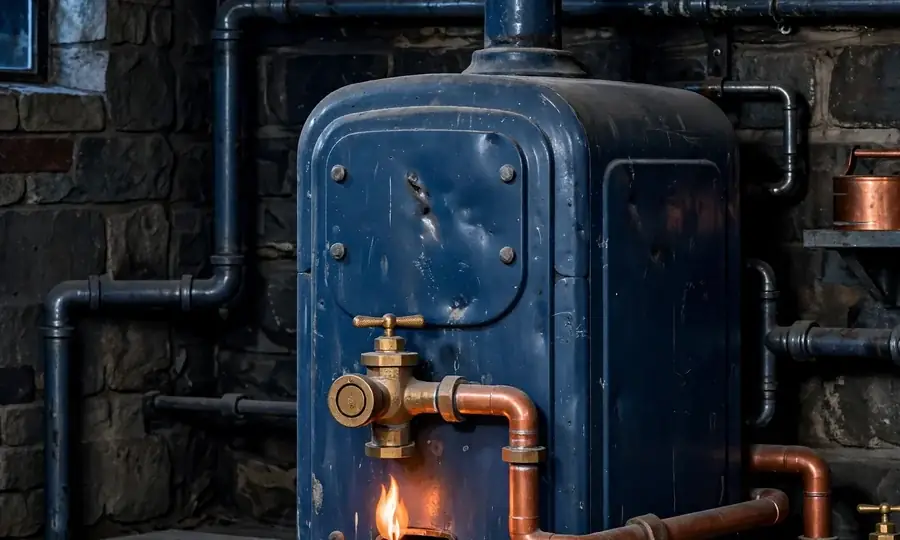
Lansdale's gas stock is unusually old in places. The rail-era twins and rowhouses carry atmospheric boilers with standing pilots — thermocouples, pilot assemblies, spill switches — some of them decades past their expected service life but still running. The cape cods and retrofitted homes carry sealed and condensing units, where the fault map is igniters, flame sensor rods, and condensate drains. Saying which generation you have, or just describing what you see, routes the triage correctly.

Gas Boiler Repair in Lansdale, PA

Gas faults in Lansdale

What the local mix produces.

On the older atmospheric units, the pattern is pilot and safety-control wear: thermocouples that stop proving flame, pilot orifices that clog with dust and lint, spill switches that trip on aging venting, and gas valves that get sticky with age. These parts are consumable — a thermocouple every few years on a decades-old boiler is normal maintenance, not a failing system.

On the sealed and condensing units, the pattern is ignition-component wear plus winter condensate faults: hot-surface igniters that crack, flame sensor rods that coat with oxide, and externally-run condensate drains that freeze on teen-degree January nights — the classic dead-by-morning-after-gurgling call from the cape-cod streets. What matters in both generations is diagnosing which component failed rather than replacing parts by guess.

Gas Boiler Repair in Lansdale, PA

Read your symptoms

The fingerprints, with local context.

  • Pilot will not stay lit — thermocouple or pilot assembly on the old atmospheric units
  • Fires for seconds, then cuts out — flame sensor cannot prove flame; the most common modern gas call
  • Fan runs, no ignition, lockout — igniter, gas valve, or pressure switch
  • Dead on a freezing morning — frozen condensate drain until proven otherwise
  • Bang on startup — delayed ignition; stop resetting and call

For the full technical breakdown of gas boiler systems, see our national gas boiler repair guide.

Ignition faults: what you can safely observe

Symptoms that narrow the diagnosis.

Most gas no-heat calls are ignition faults, and the pattern tells the story. Fires for seconds, then cuts out points at the flame sensor: the burner lit, but the control cannot prove flame, so it shuts down on safety. Fan runs, no flame, lockout points at the igniter or gas valve — the sequence never got past step one. Pilot lights but will not stay lit on an old atmospheric unit points at the thermocouple. Bang or boom on startup is delayed ignition: stop resetting and call, because unburned gas detonating is not a nuisance, it is a hazard.

One safety note that matters: a carbon monoxide alarm sounding near the boiler is never a boiler-repair call — leave the building and call 911. CO is odorless, and a cracked heat exchanger or blocked flue is a get-out-first situation.

Gas Boiler Repair in Lansdale, PA

Frequently Asked Questions

Straight answers before you call.

01

My pilot will not stay lit. What does that mean?

On a standing-pilot boiler, a pilot that lights but dies is usually a failed thermocouple — the safety device that holds the gas valve open. It is a common, inexpensive repair on Lansdale's older atmospheric units. But if the pilot will not light at all, or you smell gas, stop and call: that points to the gas valve or supply, not the thermocouple.

02

My gas boiler died overnight during a cold snap. What happened?

Cold snaps expose marginal ignition parts — a weak igniter or coated flame sensor that limped along in mild weather fails when the boiler runs long, hard cycles. On rail-era atmospheric units, extreme cold can also disrupt chimney draft. If a reset brings it back, still schedule a visit: whatever failed once in a cold snap will fail again in the next one.

03

Who do I call for a gas leak in Lansdale?

The gas utility's emergency line, from outside the house — never the repair line first. PECO handles suspected leaks in this area, and they respond around the clock. Once they clear the property and restore service, call the boiler line to have the unit inspected and restarted safely.

04

The boiler in my twin is ancient but still runs. Should I replace it preemptively?

Not automatically — the block is the deciding factor. If the cast-iron sections are sound and the burner is healthy, an old atmospheric unit can keep heating reliably with maintenance. Replace when the block weeps or cracks, the burner needs constant attention, or efficiency has fallen so far that fuel bills keep climbing. A tech can assess the block in one visit.

05

Do you service both old atmospheric and new condensing gas boilers?

Yes — Lansdale has both, from rail-era atmospheric units near the tracks to condensing units in the township capes, and they fail in completely different ways. Atmospheric units need ignition-component and draft expertise; condensing units need condensate, sensor, and electronics expertise. Say which you have when you call so triage asks the right questions.

Gas boiler trouble in Lansdale?

Call (888) 766-1474 — describe the fault code and symptoms for fast triage.

☎   Call (888) 766-1474