
/>
LANGHORNE OIL BOILER SERVICE

Oil Boiler Repair in Langhorne, PA

Colonial oil systems have their own character: big cast-iron blocks, long heating seasons against stone mass, and burners that run hard from November to April. This page is the oil reference for those houses: how the burner fails, how the tank ages, and the winter habits that keep oil the reliable fuel it is.

✓ Burner, nozzle & filter faults✓ Tank & gauge checks✓ a phone conversation about symptoms

General inquiries: 7 AM–7 PM · Emergency calls: 24/7 · (888) 766-1474

Colonial oil burners work hard

Long seasons against stone mass wear components faster.

  • Nozzle erosion on long cycles — stone-mass heating means extended burns; spray patterns degrade and combustion dirties progressively
  • Electrode wear from heavy use — more firing hours per season than suburban units; gaps widen, light-off delays, rumbling starts
  • Filter loading — older borough tanks shed more sludge; filters that lasted a season elsewhere clog by February here
  • Chamber sooting from deferred tunes — the 'it heated fine last year' trap; soot accumulates silently until efficiency craters
  • Cad cell dimming — false no-flame lockouts on burners that are firing correctly; the eye fails before the flame does
  • Draft sensitivity — colonial chimneys with two centuries of service; draft faults that masquerade as burner faults

Tanks in colonial basements

Old tanks, damp stone, and the gauge nobody reads.

Borough oil tanks are often as old as the burner — sometimes older. Damp stone basements corrode steel from the outside; decades of condensation corrode from the inside; sludge settles into a permanent layer that migrates to the filter every heating season. Know your tank's age — find the stamp — and inspect the legs and seams, where failure starts.

The gauge deserves its own discipline: read it monthly, verify with a stick when it looks wrong, and never trust a gauge that hasn't moved during a cold snap. The Langhorne heating guide maps the oil-heavy borough streets where tank craft is half the trade.

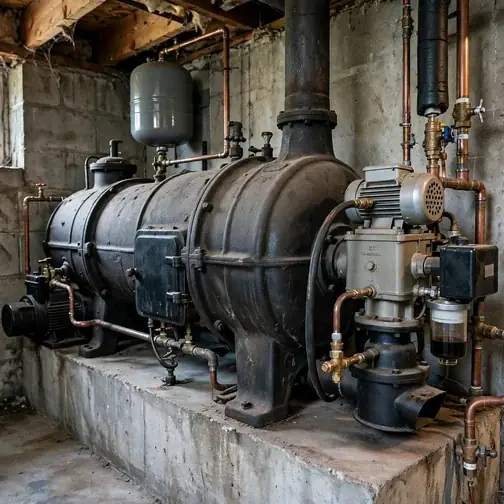
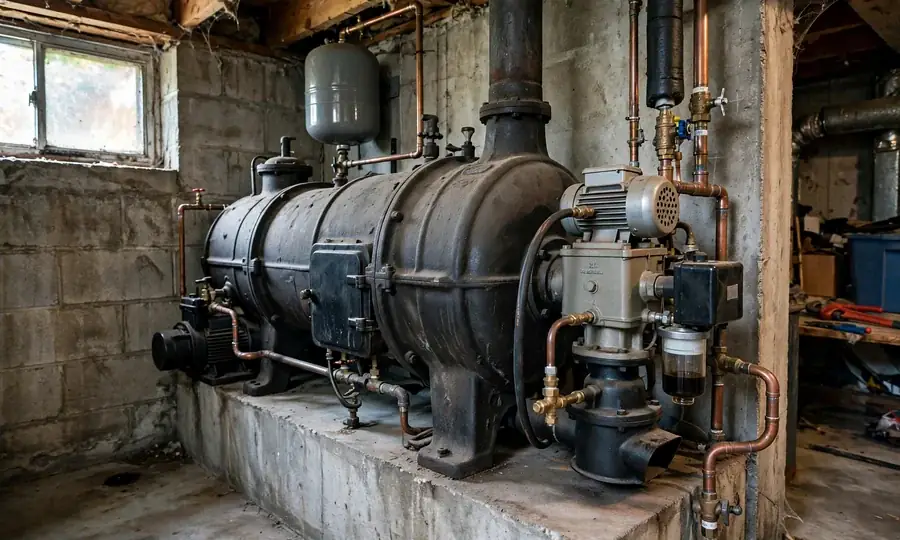
Aging oil tank in a stone colonial basement in Langhorne Pennsylvania
Oil Boiler Repair in Langhorne, PA

The tune as colonial maintenance

Annual, instrumented, and non-negotiable on old blocks.

On a colonial oil system, the annual tune is structural maintenance, not optional service. Nozzle, filter, strainer, electrodes gapped, chamber cleaned — then combustion set with instruments and the numbers recorded. The recorded numbers matter most on old blocks: they reveal the slow trends — rising stack temperature, falling CO2 — that predict next year's failure this year.

Deferred tunes on colonial systems compound: soot insulates the chamber, the block runs hotter to compensate, efficiency slides, and the fuel bills climb while the house feels exactly as warm. The tune is the cheapest fuel you will buy all winter.

Oil Boiler Repair in Langhorne, PA

Oil's standing in Langhorne

Oil burner problems can involve fuel supply, filters, ignition components and the condition of the tank. Describe your symptoms and system when calling.

Langhorne's oil share is high enough to sustain genuine expertise: burner mechanics who know colonial systems specifically, suppliers who stock the parts, delivery routes built around the borough. Oil here is infrastructure, not nostalgia. The same holds across Pennsylvania's older boroughs — Lansdale and the Norristown townships run comparable oil shares with the same service vocabulary.

Gas-converted colonials live on the gas page — different seams, different faults.

Oil Boiler Repair in Langhorne, PA

Frequently Asked Questions

Straight answers before you call.

01

My colonial's oil burner runs much longer cycles than my old suburban house did. Normal?

Usually yes — stone walls and coal-era radiators mean the boiler fires longer to bring the thermal mass up to temperature, then coasts. What is not normal is the burner running constantly without the house ever reaching temperature, or cycling on and off every few minutes. Long steady burns in a stone colonial are the system working as designed.

02

The oil tank is from the 1980s. Replace it before it fails?

Have it inspected first — a 1980s tank in a dry borough basement can still have years left, while one in a damp corner may be rusting from the outside in. The tech looks for weeping seams, rust blisters, and sludge in the filter as early warnings. Preemptive replacement is worth discussing once a tank passes 30 years, because a basement oil spill is the most expensive failure in home heating.

03

Why does my oil filter clog every couple of months?

Frequent clogs mean the tank itself is the problem — sludge, rust scale, or water sitting at the bottom of an old tank, all common in borough tanks from the 70s and 80s. Changing the filter treats the symptom; the tank needs cleaning or, if it is shedding rust, replacement. Mention the clog frequency when you call so the tech brings the right approach.

04

The burner was just tuned and it still soots up. What now?

Soot right after a tune-up points past the nozzle and filter to combustion setup — draft, air band adjustment, or a cracked heat exchanger on an old block. It can also mean the chimney is not pulling properly, which is common on converted borough units. A proper combustion test with an analyzer finds it; a tune-up without one is guesswork on old equipment.

05

Can I stretch the annual oil tune to every other year?

You can, but oil burners foul by design — nozzles wear, electrodes carbon up, and filters load every season, especially on the older borough units doing long stone-colonial burns. The tune-up is also when the tech spots the weeping fitting or rusting tank before it becomes an emergency. Skipping a year trades a maintenance visit for a much higher chance of a January lockout.

Langhorne oil boiler services

Related services in the Langhorne area.

Cross-fuel: general diagnosis. Midnight: emergency repair. Converted colonials: gas page. Retired block: installation. Nationally: oil boiler repair and the warning-signs guide.

Oil burner trouble in Langhorne?

Call (888) 766-1474 — gauge reading first, then the symptom.

☎   Call (888) 766-1474