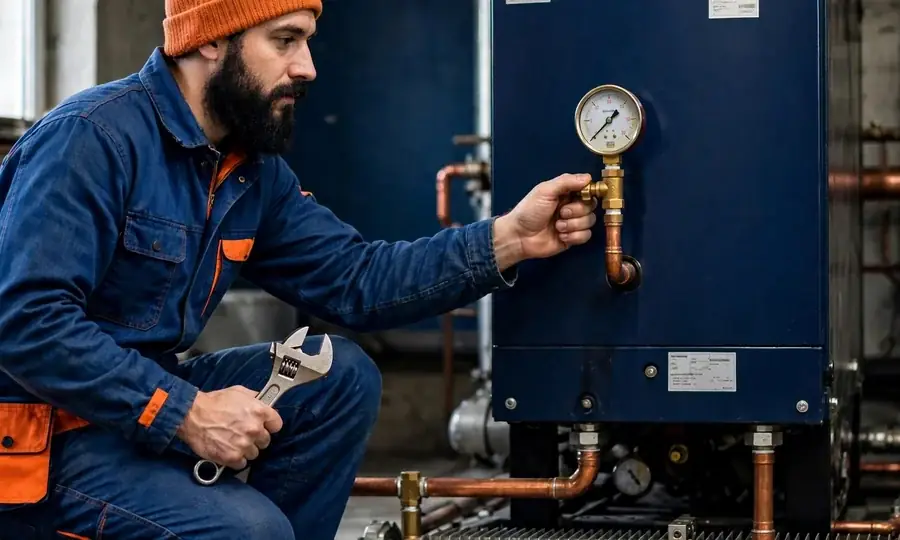
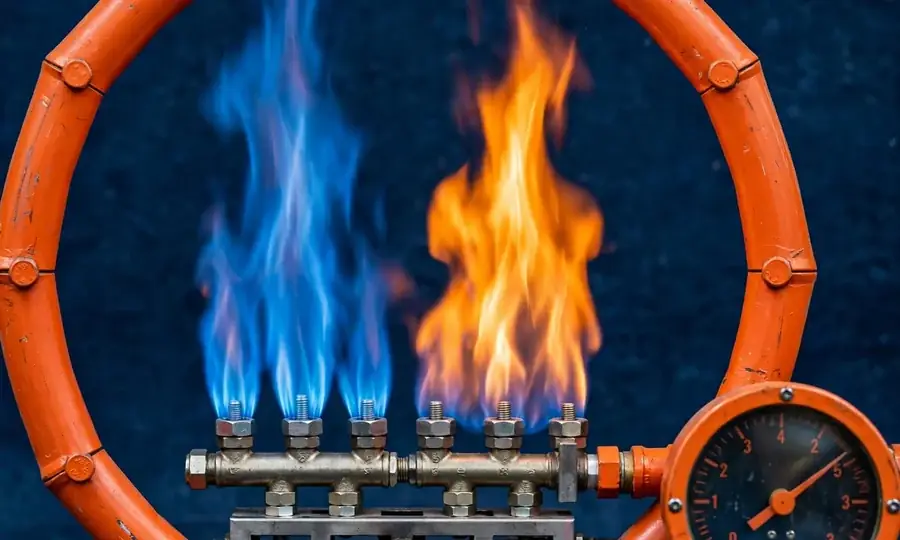
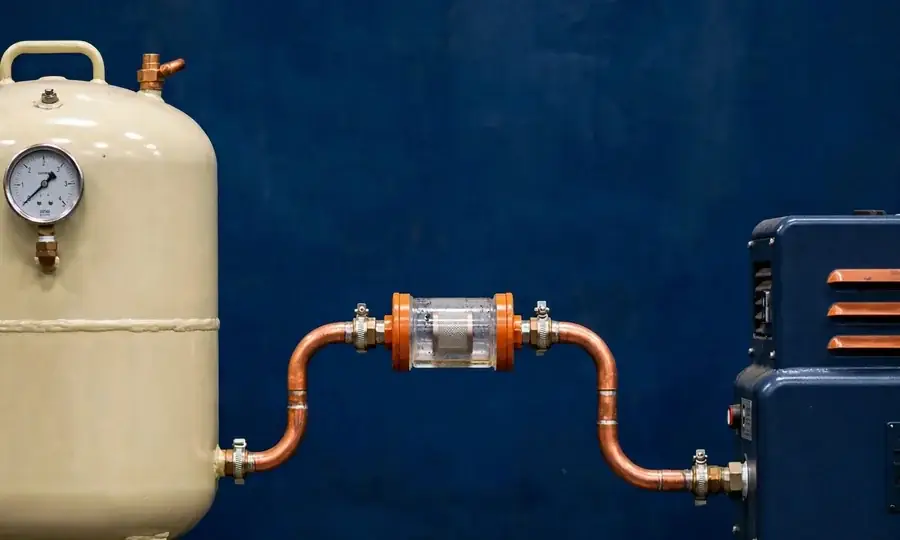
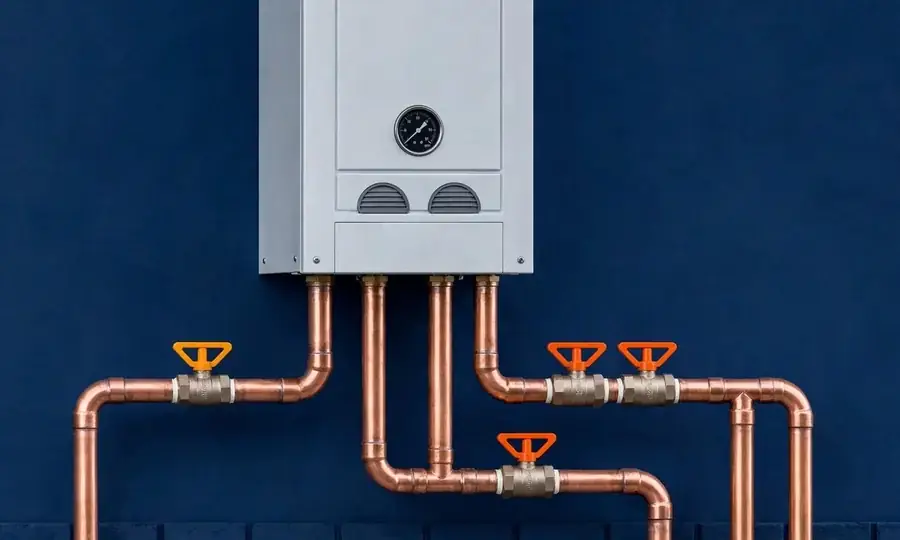
The technician starts where your phone triage ended and works the suspect subsystem with test gear. Gas units get flame-signal readings, igniter inspection, and gas valve checks. Oil units get the full burner workup — nozzle condition, electrode gap, cad-cell sighting — plus the filter, the fuel line, and an honest look at the tank. Sealed hot-water systems get the expansion tank charge tested against the gauge and the feed valve checked: a system that will not hold pressure has a leak or a drowned tank, and refilling without finding it just resets the countdown. Steam systems get venting and water-level checks first.
Then comes the plain-English debrief before any work is authorized — what failed, what the fix costs, and what the rest of the boiler looks like for the years ahead. Diagnosis-first means you approve work with the facts in hand. For the warning signs worth watching between visits, see our signs your boiler needs repair guide.