MASSAPEQUA INSTALLATION

Boiler Installation and Replacement in Massapequa, NY

Replacing an aging boiler in Massapequa? Sizing, fuel choice, and venting decide whether the new unit saves money or just costs it — and on the south shore, placement joins the list: flood history and tank condition shape the job. Call to discuss your situation — house, current system, and what is failing.

✓ ✓ Proper heat-loss sizing✓ ✓ Flood-aware placement✓ ✓ Gas and oil options

General inquiries: 7 AM–7 PM · Emergency calls: 24/7 · (888) 766-1474

What to ask before you sign

The questions that separate a good install from an expensive one.

Ask for a heat-loss calculation — not a rule of thumb, not "same size as the old one." Ask about placement: if the current boiler sits low — garage, ground floor, anywhere storm water has reached — the replacement is the time to raise it, and the quote should say so. Ask how the new unit vents, where condensate drains on a condensing unit, and what happens to the oil tank if you switch fuels — buried-tank decommissioning is permitted work with real cost.

Ask what the controls scope includes (outdoor reset? zone controls?) and what is not included: chimney work, tank work, electrical upgrades. If a quote cannot answer these, it is a guess, not a quote. The national boiler installation and replacement page covers the process; the Massapequa repair page helps decide whether replacement is even needed yet.

Installation in Massapequa, NY

Sizing for Massapequa housing

Coastal houses, real math.

Massapequa's stock — post-war capes, ranches, split-levels, waterfront colonials — spans a wide range of heat loads, which is why rule-of-thumb sizing fails here. An oversized boiler short-cycles: banging on and off, never reaching steady efficiency, wearing controls prematurely. Canal-neighborhood homes add a wrinkle: wind exposure off the bay raises the real heat load above what the square footage suggests.

Proper sizing starts with measuring the house: square footage, insulation, windows, air leakage, exposure — the Manual J style heat-loss calc, done for this house. Then the distribution gets a look: can the existing radiation deliver the new boiler's output at reasonable water temperatures? On a condensing gas unit, that question decides whether you ever see condensing efficiency. And the placement question — raised, protected, above historic flood lines — gets answered before the unit is ordered, not after.

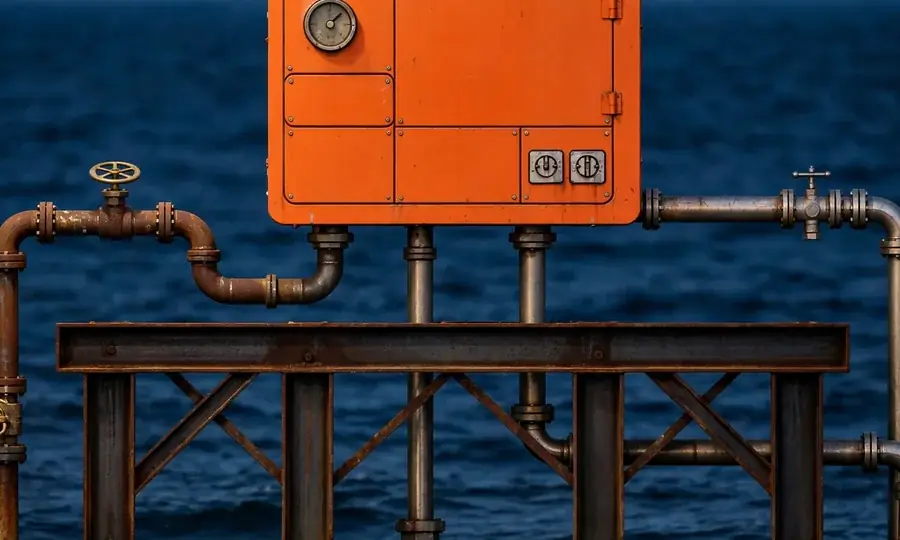
Installation in Massapequa, NY

What replacement involves

The job, step by step, on the south shore.

Old unit out — including assessment of the tank if you are leaving oil, and decommissioning if you are. New unit in: sized to the heat loss, placed with flood history in mind, piped to the new unit's requirements, new circulator and controls, expansion tank sized to the system volume, venting to code with salt-air-resistant materials where exposed.

Then: fill, purge air from every run, verify cold pressure near 12–15 psi, fire and combustion-test, and confirm every zone actually heats. A good installer leaves you with the pressure reading, the combustion numbers, and the manual — not just a warm house. Plan for the house to be without heat during the workday; in winter, that takes scheduling, not luck.

Installation in Massapequa, NY

Fuel-choice math in Massapequa

Stay oil or convert? The honest version.

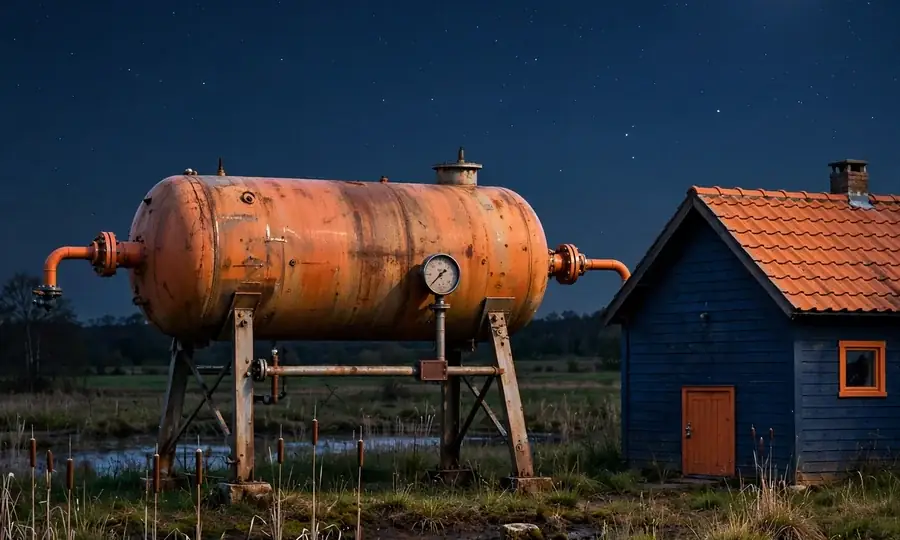
Staying oil is often right where the gas main does not reach — a modern oil boiler with a fresh burner is efficient, and the lines already exist — but the tank's condition can force the question: a failing buried tank's replacement cost changes the math. Converting to gas makes sense where the main serves the street, the tank is at end of life anyway, and the lifetime numbers work.

Watch the hidden costs both ways: conversion needs gas line sizing, venting, condensate handling, and tank decommissioning; staying oil may need a new tank or line work — above ground this time, where it can be inspected. Either way, size to the house, not the fuel. For hydronic questions, the boiler pressure guide is a useful reference — and if the old unit still runs, get a diagnosis in Massapequa before committing to replace it.

Installation in Massapequa, NY

Frequently Asked Questions

Straight answers before you call.

01

Our boiler is 35 years old and keeps needing repairs. Repair again or replace?

At that age, weigh each repair against the unit's remaining life. Cracked sections, steadily rising oil use, and lockouts that return weeks after service are the classic end-of-life signals. A tech's diagnosis can confirm whether the heat exchanger is sound; if it is not, another repair is money toward a unit that is already done.

02

What size boiler does a south-shore colonial actually need?

Whatever a heat-loss calculation says, not whatever the old unit's plate reads. Massapequa colonials are often wildly oversized from the original install, and oversized units short-cycle, which wastes fuel and wears parts. Proper sizing is the single biggest factor in whether the new unit saves money or just costs it.

03

Does our flood history change where the new boiler should go?

Yes, and on the south shore it is one of the first questions. Placement above historic waterlines, and wall-hung options where the system allows, keep the next storm from writing off the new unit. Tell the triage about past water in the boiler room; storm history shapes the install plan here.

04

Should we convert to gas at the same time as the replacement?

That depends on two local facts: whether the mains reach your street, and the condition of your oil tank. If the tank is aging out anyway, conversion math looks different than if the tank has years left. Get both quotes compared honestly on the call rather than deciding by habit.

05

How long does a replacement take in a Massapequa basement?

A like-for-like swap typically runs one to two days. Conversions, relocations, or flood-zone repositioning take longer because venting, condensate routing, and tank work join the scope. The triage will ask about your current setup so the timeline you hear matches your actual job.

06

What should we ask the installer about our old oil tank?

Ask about decommissioning or abandonment, the condition of the fill and vent lines, and whether the tank stays or goes. The tank is part of the replacement project, not an afterthought, especially with buried or aging south-shore tanks. Get the tank scope in writing with the boiler quote.

Planning a boiler replacement in Massapequa?

Call (888) 766-1474 now — discuss sizing, placement, and fuel choice for your house.

☎   Call (888) 766-1474