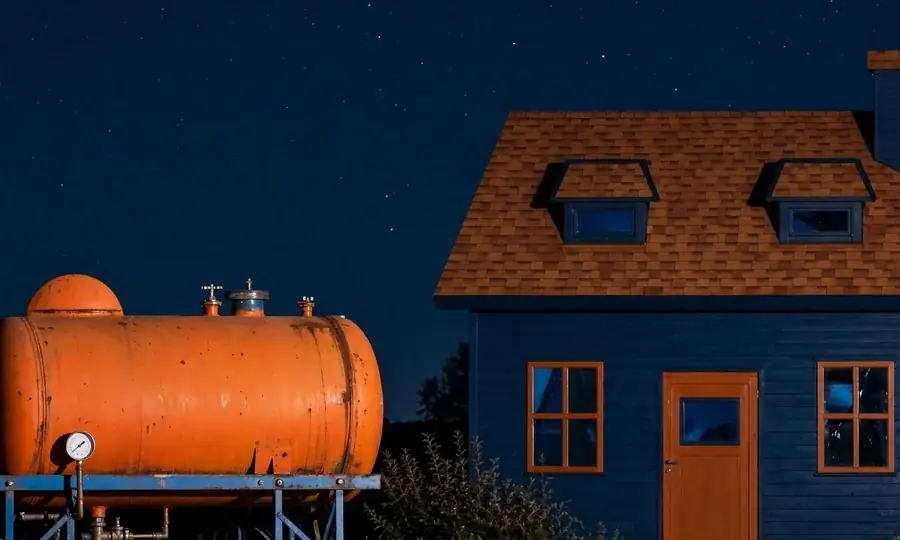
Because Levittown capes were built on slabs with no basements, the oil tank usually sits above ground, outside the house. That single fact drives most Levittown oil calls. Outdoor tanks breathe: temperature swings condense water inside, sludge settles at the bottom, legs and fittings rust in the weather, and during hard cold snaps the fuel itself can thicken enough to starve the burner.
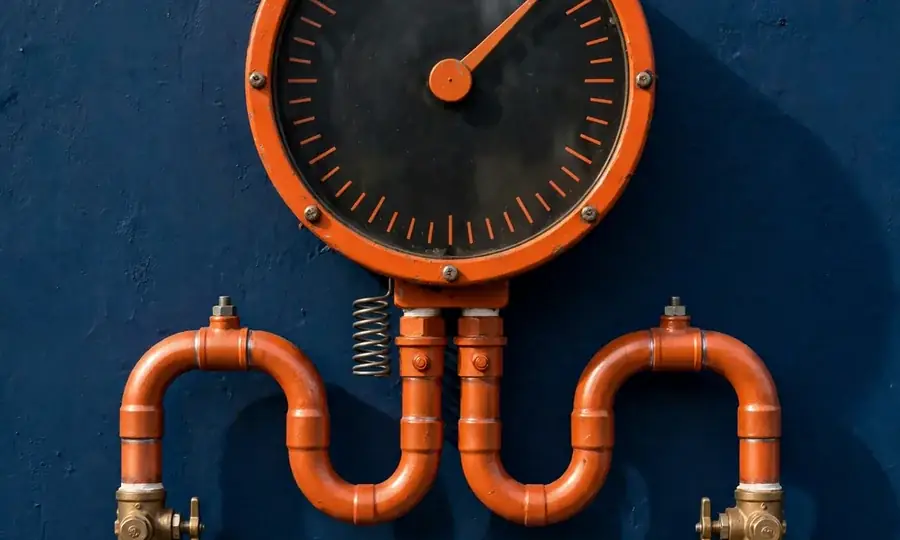
Delivery logistics matter too. Run the tank dry and you do not just need oil — you need a burner bleed and reprime, because air in the line will keep a freshly filled system locked out. Automatic delivery customers rarely run dry; will-call customers do, usually in January. Check the float gauge monthly in heating season, and if the gauge reads empty when the heat dies, say so first on the call — it is a delivery problem, not a parts problem.