Water is leaking near original woodwork. Emergency?
Yes — historic finishes cannot be replaced at any price. Close the feed valve if safe, contain what you can, and call now.
No heat in a Lexington winter — in a historic colonial, pipes in old walls freeze fast. Lockouts, leaks, dead burners: call any time. The emergency telephone line is available 24/7 and true Explain urgent symptoms first.
General inquiries: 7 AM–7 PM · Emergency calls: 24/7 · (888) 766-1474
The empty-house risk.
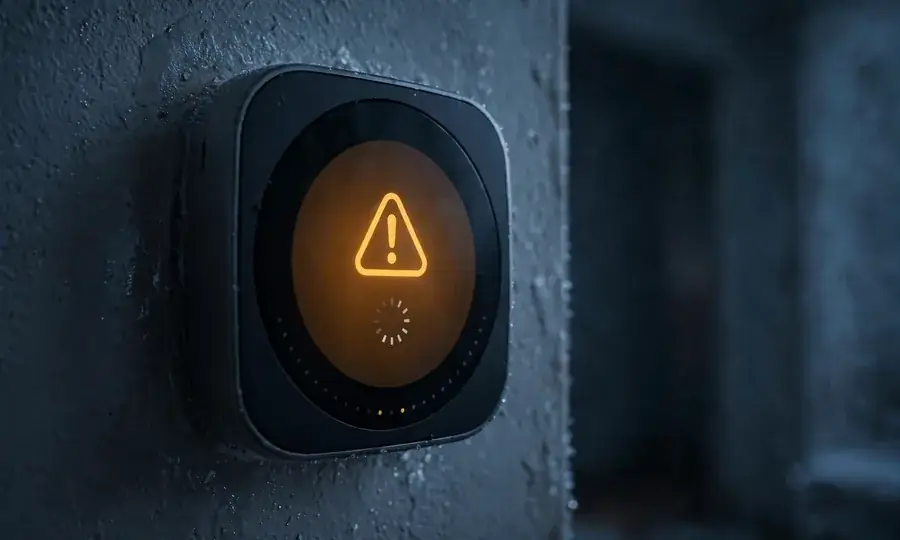
Lexington has its share of travel-heavy households and vacant periods — and an empty house with a dead boiler is a burst-pipe catastrophe waiting days to be discovered. If you travel in winter: never set the thermostat below 55°F, have someone check the house during cold snaps, and consider low-temperature alarms (Wi-Fi sensors that alert your phone).
Returning to a cold house? Do not just crank the heat — check for burst pipes first (water stains, hissing, no water pressure). Then call.
Old walls, fast freezing.
What helps.
Note the error code (gas) or lockout pattern (oil). Protect pipes: open sink cabinets on exterior walls, let taps drip — old-wall plumbing freezes first. If water is leaking near historic finishes, move what you can and close the boiler feed valve if safe. Do not keep resetting a locked-out burner.
The Lexington factor.
Lexington's colonials carry irreplaceable finishes — plaster, wide-plank floors, original woodwork — that water destroys permanently. A weeping boiler above a historic basement is not just a repair bill; it is a restoration bill. If your boiler is over 25, a leak is an emergency even when the heat still works. Say so on the call — and mention the home's age. It changes the triage.
Five minutes before you call.
Old-wall pipes freeze faster than modern ones: while you wait, open sink cabinets on exterior walls and let taps drip. Returning to a cold house after travel? Check for burst pipes first — water stains, hissing, no water pressure — before you crank the heat. Then call with your findings: gas faults and oil faults each have their own triage path.
Leaks are the other emergency.
In Lexington, water is the second emergency. A leak near original woodwork, plaster, or historic floors threatens what cannot be replaced — so move what you can, close the boiler feed valve if it is safe to reach, and call. Do not wait to see if it stops; it will not.
Travel-heavy households should plan for the empty-house risk: never set the thermostat below 55°F in winter, have someone check the house during cold snaps, and consider low-temperature Wi-Fi alarms that alert your phone. An empty house with a dead boiler is a burst-pipe catastrophe waiting days to be discovered.
Straight answers before you call.
Yes — historic finishes cannot be replaced at any price. Close the feed valve if safe, contain what you can, and call now.
Once is fine; note what happens. After one failed reset, stop — repeated resets on oil dump unburned fuel into the chamber.
Nothing. you can call to describe the problem; on-site work is quoted after diagnosis.
Minimum 55°F — lower saves little and risks burst pipes. Have someone check the house if temperatures drop into the teens.
Check for burst pipes before restoring heat: look for water, listen for hissing, test taps. Then call for service — do not just restart and hope.
Related services in the Lexington area.