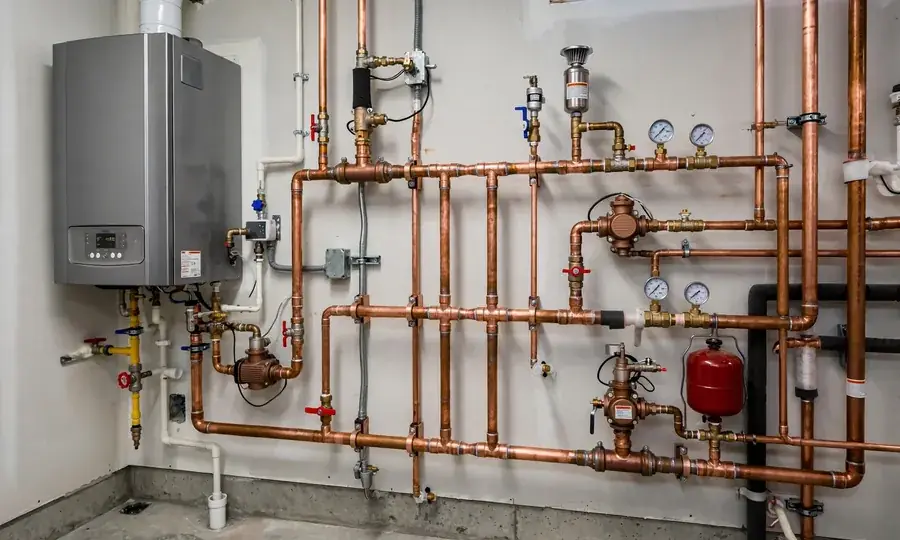
My radiators have cold spots that bleeding does not fix. Why?
Likely sludge from decades of untreated water — bleeding removes air, not sludge. The system needs flushing and water treatment, not more bleeding.
Boiler not heating right in Lexington? This is the diagnosis page: never-serviced oil burners, water-quality damage, colonial distribution quirks, and what a thorough service visit covers. Describe the symptoms by phone — emergency triage runs 24/7.
General inquiries: 7 AM–7 PM · Emergency calls: 24/7 · (888) 766-1474
Think in horizons.
Every Lexington boiler deserves a 5-year plan: Year 1: full assessment — block, combustion, water, tank, distribution. Years 2–4: annual service, addressing the findings list in priority order. Year 5: re-assess — has the block held? Are repairs trending up? Is replacement now smarter?
The plan converts reactive breakdowns into managed maintenance — and it gives you the replacement decision on your timeline, with numbers, instead of on January's.
Depth over speed.
Lexington homeowners expect thoroughness — and their boilers reward it.
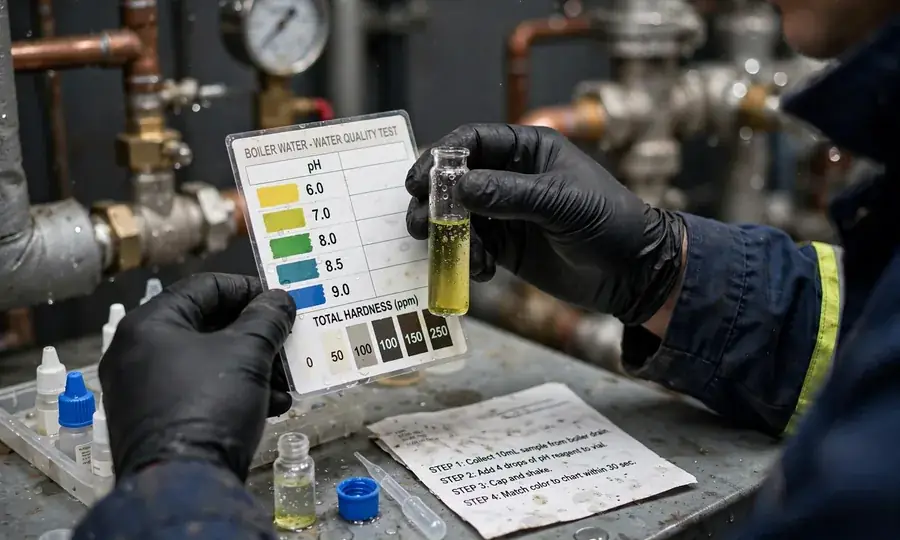
Good triage asks: fuel type, boiler age, service history, water treatment history, renovation history. On site, the tech tests combustion, checks water quality, and inspects the block — because Lexington assessments should be complete, not quick.
What comes up.
Lexington's quiet problem.
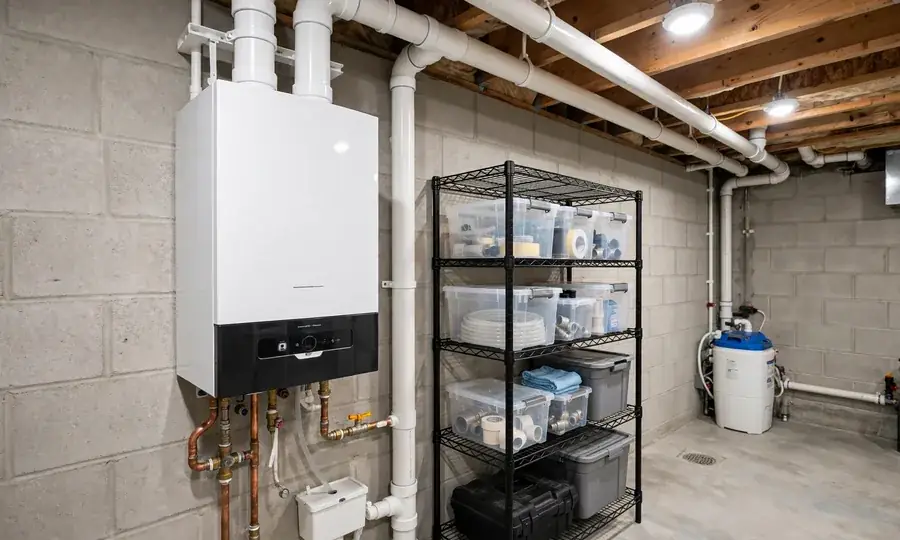
Decades of untreated system water — never flushed, never treated — corrodes from the inside: heat exchangers, pumps, valves, and radiators. Symptoms: repeated pump failures, cold spots that bleeding does not fix, black water when bled. The fix is system flushing plus ongoing water treatment — unglamorous, essential, and almost never done until something fails. Ask about it during service.
Compound wear.
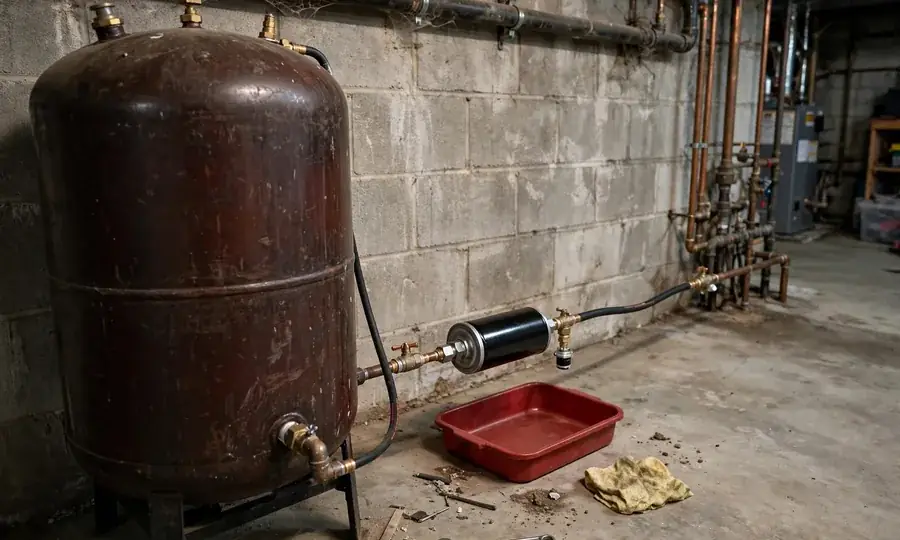
Decades without service produce compound wear — failures stacked on failures. On oil: nozzle coking, electrode erosion, a fouled combustion chamber, a sooted heat exchanger, a sludge-loaded fuel filter. On gas: fouled flame sensors, degraded draft, spillage at the draft hood. And underneath both: water quality damage, from years of untreated system water eating components from the inside — expansion tanks, auto-fill valves, and pumps all tell that story.
The first visit on a never-serviced system is a catch-up assessment: block and heat exchanger condition, combustion analysis with readings shown, water-side components, tank, and distribution. Pressure should read 12–15 psi cold — chronic low pressure points to a leak or a failed expansion tank, and our pressure guide explains what those readings mean. You get the full findings list in priority order, not a single surprise invoice.
The house fights the heat.
In Lexington colonials, the boiler is often fine and the distribution is the problem: gravity-era piping, monoflow tees, radiators added across decades, one-pipe steam conversions to hot water. Symptoms: one cold wing, hammering, slow pickup, rooms that never quite warm. Diagnosis has to separate boiler faults from distribution faults — bleeding radiators, checking pitch and valve function, balancing flow.
A good tech reads the house, not just the box: which era each component belongs to, and which layer is failing. If your issue is fuel-specific rather than distribution, the deeper dives are gas boiler repair and oil boiler repair in Lexington.
Straight answers before you call.
Likely sludge from decades of untreated water — bleeding removes air, not sludge. The system needs flushing and water treatment, not more bleeding.
you can call to describe the problem; the pro prices work after on-site diagnosis. You will get evidence — readings, shown components — with every recommendation.
A full catch-up service: nozzle, filter, electrodes, combustion test, tank and water inspection. Expect a findings list; that is normal and valuable.
Get the full assessment now, then track: annual repair costs, efficiency vs. modern, and block condition. When repairs trend up or the block weeps, you will have years of data for the decision.
For Lexington oil systems especially — annual service bundled with fuel delivery is the best value in oil heat. Compare what is included, not just the price.
Related services in the Lexington area.
Call (888) 766-1474 — describe the symptoms for honest triage.