
Is a condensing boiler worth it in Framingham?
Usually yes — with proper sizing and outdoor reset, the efficiency gain over a 1990s atmospheric unit is real. Without proper design, you pay condensing prices for atmospheric performance.
Replacing a boiler in Framingham? Multi-zone colonials reward proper sizing and zoning — and condensing upgrades pay back fast here. Call to discuss your situation.
General inquiries: 7 AM–7 PM · Emergency calls: 24/7 · (888) 766-1474
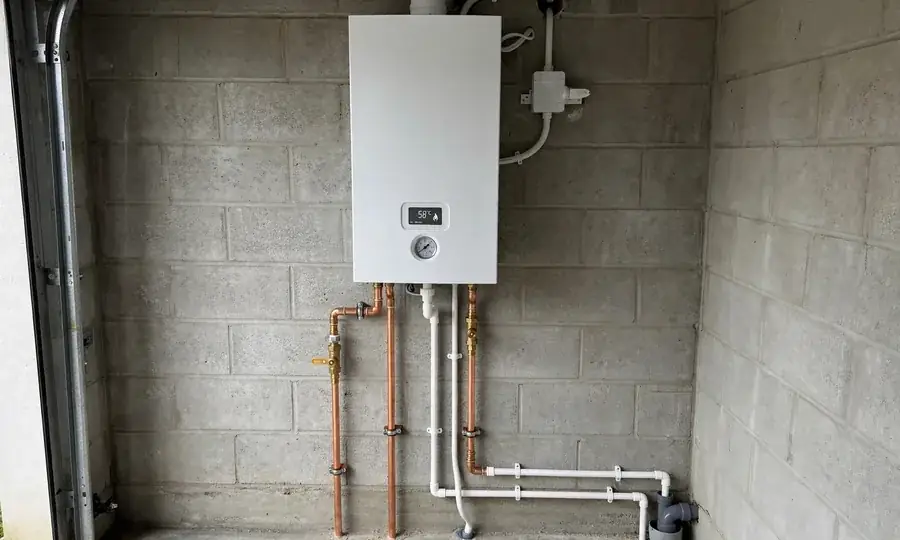
The hidden half of replacement.
In Framingham colonials, the chimney is often the surprise line item. Old masonry chimneys built for big atmospheric boilers may need relining for a new unit — or abandonment entirely if you switch to a condensing boiler with wall venting. A chimney inspection belongs in every replacement quote; a quote that ignores the chimney is incomplete.
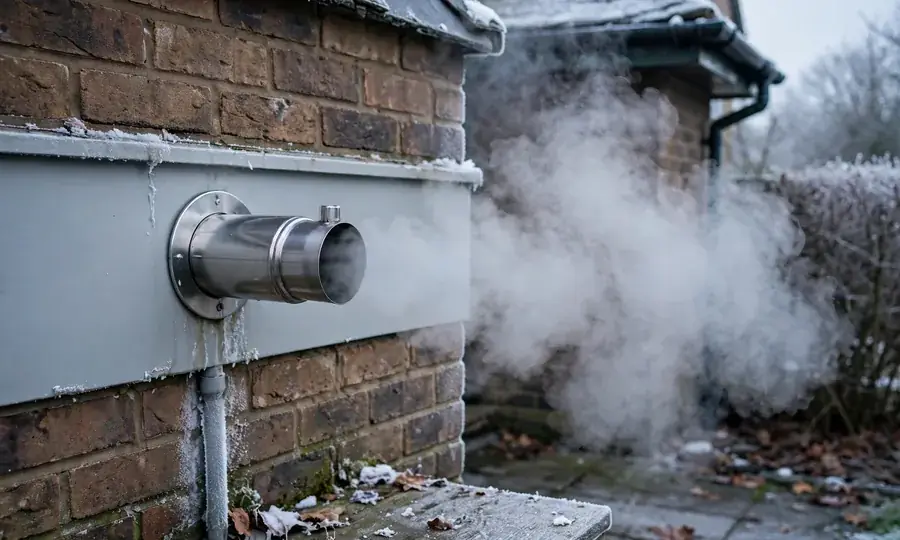
Condensing wall-venting avoids the chimney question but creates a new one: condensate drainage (that acidic drain needs a proper route) and flue termination placement (clearances from windows, doors, and property lines). Both are solvable — both must be planned.
Framingham's upgrade path.
The payback math is favorable — but condensing only condenses when the system design lets it : return water temperatures low enough, which means proper sizing and often outdoor reset controls .
An oversized condensing boiler on a high-temperature system is an expensive atmospheric boiler. The design — sizing, piping, controls — is what buys the efficiency, not just the box.
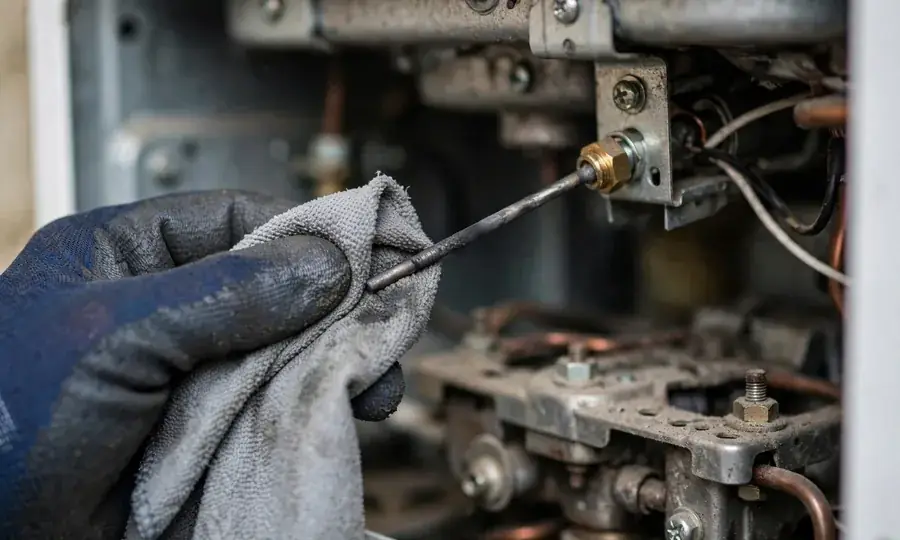
The colonial advantage.
Framingham colonials are already zoned — the replacement should make zoning better, not just preserve it: properly sized circulators per zone, outdoor reset trimming water temperature on mild days, and thermostats that actually talk to the boiler (old wiring meets new controls is a classic failure point).
Demand: heat-loss sizing (not the old nameplate — most old units are 2× oversized), near-boiler repiping to spec, and startup tuning verified with instruments. See our national installation guide.
Five questions.
No surprises.
A typical colonial boiler replacement runs a full day, sometimes two. The sequence: system drain-down and old unit removal; near-boiler repiping to the new unit's spec; the new boiler set and piped; controls wired and zones reconnected; fill, purge, and air elimination; then startup — fired and tuned with combustion instruments, not by eye.
What to watch for as the homeowner: the crew should protect floors, the old unit and debris should leave with them, and you should see the combustion test happen. Ask what the readings were — a tech who tested has numbers. If your replacement involves chimney work or wall venting, that planning happens before installation day, not during it.
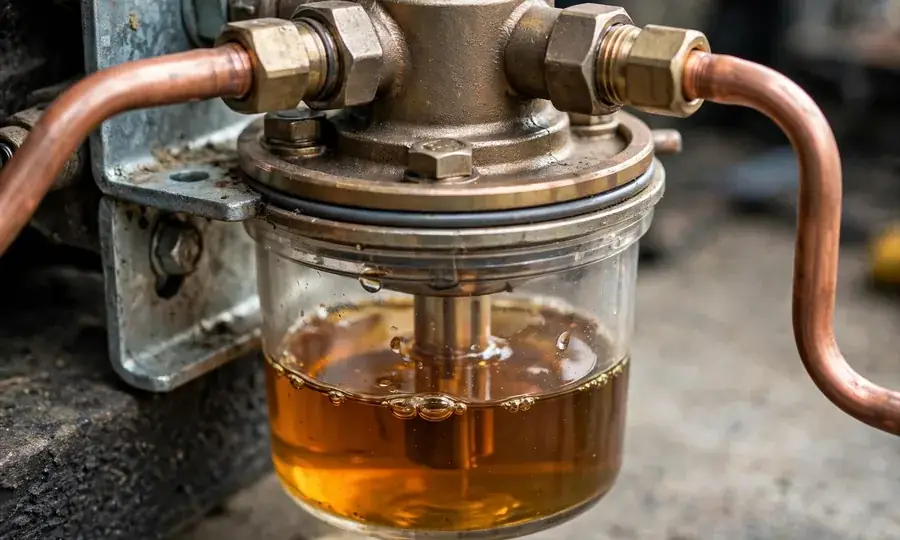
Comfort and fuel, together.
Multi-zone colonials are where outdoor reset earns its keep: the control reads the outside temperature and lowers boiler water temperature on mild days, so the system stops blasting high-temp water to satisfy a 35°F afternoon.
Pair it with honest zone control: each zone getting the heat it calls for, none overheating because the thermostat lives in the wrong room. On replacement, ask how the new controls will handle your zones — the control strategy matters as much as the boiler's efficiency rating.

Straight answers before you call.
Usually yes — with proper sizing and outdoor reset, the efficiency gain over a 1990s atmospheric unit is real. Without proper design, you pay condensing prices for atmospheric performance.
One to two days like-for-like; longer for fuel conversions or major repiping. Schedule in mild weather, not January.
Only where a gas main is genuinely available at your street — and only after full installed pricing on both. Many Framingham oil streets have no gas option at all.
Often yes for atmospheric replacements — old oversized masonry flues cause condensation and draft problems with modern units. Get the chimney inspected as part of the quote.
Yes — sealed-combustion condensing units vent horizontally with PVC. But termination clearances and condensate drainage must be planned; it is not just a hole in the wall.
Related services in the Framingham area.
Call (888) 766-1474 — start with a proper heat-loss assessment.