

MIDDLETOWN INSTALLATION

Boiler Installation & Replacement in Middletown, CT

Replacing a Middletown boiler is a boiler-plus-tank conversation as often as not. Antique colonials need right-sized units on their original radiators; oil homes need the tank question answered at the same time. Here is how to plan it — and what to ask before anyone signs anything.

✓ Heat-loss sizing✓ Tank planning included✓ Radiator preservation

General inquiries: 7 AM–7 PM · Emergency calls: 24/7 · (888) 766-1474

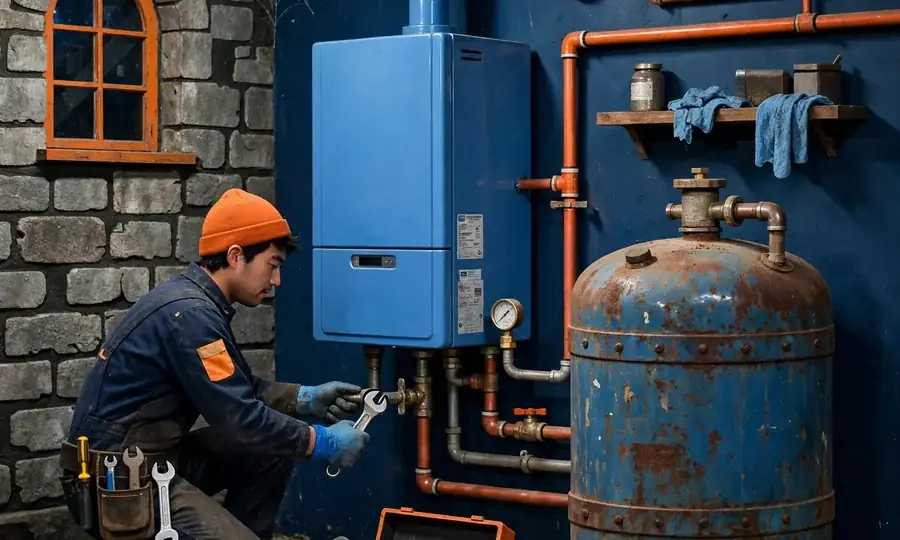
a new boiler installation in an old New England basement

The boiler-plus-tank decision

Middletown's signature replacement question.

If the tank is past its prime, replace it with the boiler — one project, one round of labor, one piping plan, one disruption. A new boiler piped to a dying tank is a second emergency six months later, and the labor to do the tank separately costs more than folding it into the boiler job.

The tank decision tree: basement tank in good shape — keep it, inspect the lines. Basement tank weeping or rusting — replace with the boiler. Buried tank, unknown status — resolve it first: test if active, close properly if abandoned, and plan the replacement around an above-ground tank. Do not install a new boiler and leave a buried unknown in the ground.

Boiler Installation & Replacement in Middletown, CT

Sizing for antique homes

The coal-era block is lying to you.

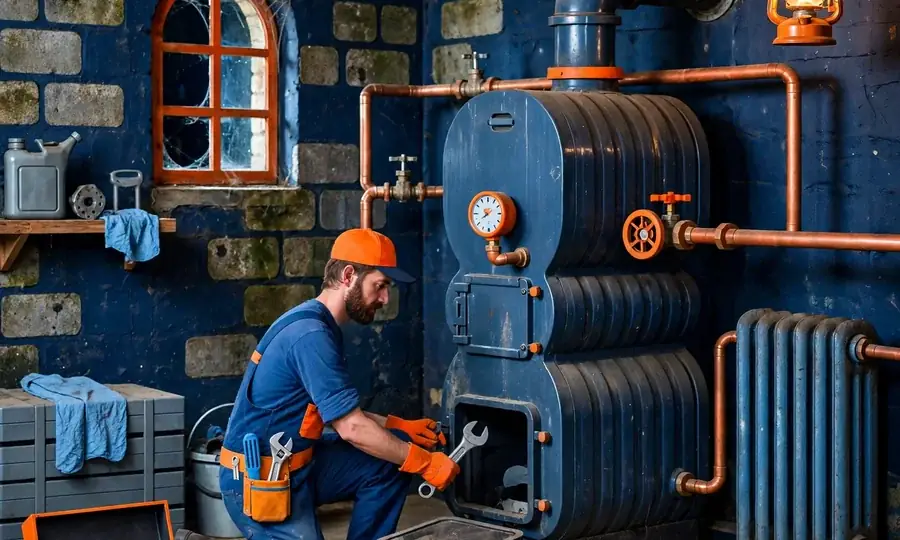
Middletown's antique colonials carry boilers sized for a different century — coal-era blocks, often twice the home's actual heat loss, short-cycling for decades. The right size comes from a heat-loss calculation — room by room, accounting for the actual (drafty, charming) envelope — and it is almost always smaller than what is sitting there now.

The good news: the original radiators stay. Cast-iron radiators are superb heat emitters with decades of life left, and they pair beautifully with a right-sized modern boiler running lower supply temperatures. The replacement is the boiler and the near-boiler piping — the radiators, the piping runs, and the character of the system all stay.

Boiler Installation & Replacement in Middletown, CT

Oil-to-oil, oil-to-gas, or gas-to-gas?

The fuel decision, honestly framed.

Most Middletown replacements stay on their fuel: oil-to-oil where the tank is sound (or being replaced), gas-to-gas where gas is established. The switch question — oil to gas — only opens where the gas main reaches the street, and it adds utility work: service line, meter, permits, and the old tank's proper closure.

Do not let anyone frame the fuel switch as a small add-on. It is a project with a project price — quoted in writing, after a site visit, with the tank work itemized. Our national boiler installation page covers the full replacement process. Related information: national boiler installation page.

Boiler Installation & Replacement in Middletown, CT

Near-boiler piping: what "to spec" means

Where installations succeed or fail.

The boiler is the least interesting part of a replacement. What determines performance is the near-boiler piping: the primary-secondary loop on a modulating boiler, the air separator and expansion tank placement, the circulator sizing, the auto-fill valve set to 12–15 psi cold. On antique systems, this is also the moment to fix decades of accumulated piping sins — dead legs, improper pitch, missing air elimination.

Ask the installer to walk you through the piping plan before the old boiler comes out. If the quote does not mention piping at all, get another quote. A new boiler on sloppy near-boiler piping heats worse than the 50-year-old unit it replaced.

Boiler Installation & Replacement in Middletown, CT

What to ask any installer

Five questions that separate pros from box-swappers.

  • Will you do a heat-loss calculation? — "same size as the old one" is a no
  • How do you handle the oil tank? — including a buried one; removal, closure, or replacement
  • Do my radiators stay? — the answer should be an enthusiastic yes
  • What is the near-boiler piping plan? — specifics, not "we'll make it work"
  • What is the labor warranty? — parts warranties are manufacturer; labor is the installer's promise
  • Who pulls the permit? — the answer should be "we do"

Timing a Middletown replacement

Do it on your schedule, not the boiler's.

The cheapest replacement is a planned one. A boiler replaced in September or October — after the assessment, with quotes compared, the tank question answered, and the installer scheduled — costs less in every way than the same boiler replaced in a January emergency. If your unit is 25+ years old and needed two repairs last winter, start the conversation this fall.

For landlords near Wesleyan: coordinate replacement with the summer turnover. A vacant student rental in July is the easiest install window you will ever get — and the new system is in place before the academic year starts.

Boiler Installation & Replacement in Middletown, CT

Frequently Asked Questions

Straight answers before you call.

01

My coal-conversion boiler is 50-plus years old. What do I replace it with?

A modern oil or gas unit, keeping the radiators — the distribution is usually the best part of these old systems. The chimney almost certainly needs a liner for the new burner, and if you are on oil, the tank question gets resolved in the same project. An on-site assessment ties it all together.

02

Should the buried tank be dealt with during a boiler replacement?

Yes — replacement is the natural moment. Properly close the buried tank on record and install a new above-ground basement tank as part of the project. Doing it together avoids paying for two mobilizations and leaves you with a fully documented, inspectable fuel system.

03

How do I size a boiler for a drafty antique colonial?

With a real heat-loss calculation that accounts for air leakage, not a rule of thumb — and ideally after addressing the worst drafts. An oversized boiler short-cycles and wastes fuel; a right-sized one paired with basic air-sealing heats an old colonial better than a big unit in a leaky envelope.

04

Can I switch my student rental from oil to gas when I replace the boiler?

If the gas main reaches the street, yes — and for a rental it simplifies life: no deliveries to schedule, no tank to monitor, no run-dry calls from tenants. Consider tenant-proofing the controls at the same time — locked thermostat covers pay for themselves in student housing.

05

My farmhouse toward Middlefield has no gas main. What are my options?

A modern high-efficiency oil unit with a new above-ground tank is the straightforward answer — today's oil equipment is far cleaner and more efficient than the 1970s burner it replaces. Proper sizing for the farmhouse envelope matters more than the fuel debate; get the heat-loss calculation done.

Planning a replacement in Middletown?

Call (888) 766-1474 — get an honest repair-vs-replace assessment first.

☎   Call (888) 766-1474