

MANCHESTER OIL SERVICE

Oil Boiler Repair in Manchester, CT

Worn nozzles, pitted electrodes, clogged filters, tired tanks: oil burners foul, and an unserviced one is the likeliest unit in town to die in January. Describe the lockout pattern and get triage that starts at the burner.

✓ Burner lockout diagnosis✓ Tank & fuel-line faults✓ Annual service plans

General inquiries: 7 AM–7 PM · Emergency calls: 24/7 · (888) 766-1474

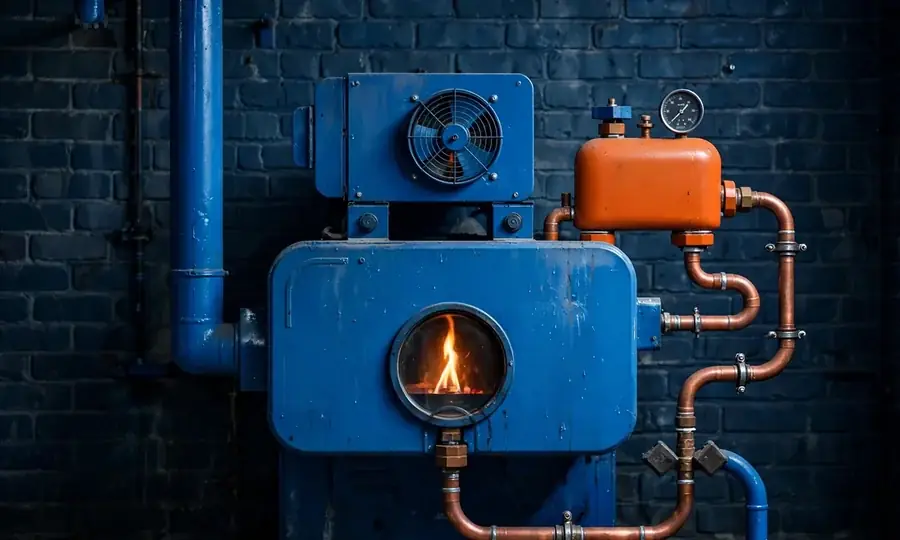
an oil burner with fuel pump and copper fuel line

Where Manchester oil lives

Oil burner problems can involve fuel supply, filters, ignition components and the condition of the tank. Describe your symptoms and system when calling.

Oil in Manchester tracks the building era: town-center colonials that never converted, 1950s–70s ranches and split-levels built in the oil era, and streets where the gas mains arrived late or not at all. These homes often pair oil burners with basement tanks of real age — and in some cases buried tanks whose condition is unknown.

The maintenance gap is the story. Oil burners are precision instruments burning a dirty fuel — nozzle, electrodes, and filter all degrade every season. Skip two years of service and the January cold snap finds every weakness at once. If your oil boiler has not seen a tech in two or more years, assume the burner is overdue, not fine.

Oil Boiler Repair in Manchester, CT

Read your symptoms

What the burner is telling you.

  • Lockout on cold mornings — worn nozzle, poor atomization of cold oil
  • Soot puffback — delayed ignition; stop and call, do not reset repeatedly
  • Rumbling or "jet engine" noise — combustion out of tune
  • Lockouts after every delivery — stirred-up sludge clogging the filter
  • Wet spots under the tank — tank weeping; needs inspection promptly
  • Rising oil use, same weather — efficiency loss; combustion test tells the story
Oil Boiler Repair in Manchester, CT

Delivery timing and run-outs

The January trap.

The classic Manchester oil emergency is not a broken part — it is an empty tank. Automatic delivery keeps most homes supplied, but will-call customers who misjudge a cold snap wake up to a dead boiler and a burner that sucked sludge. After a run-out, the boiler does not simply restart when the truck leaves: the line needs bleeding, the filter needs checking, and the nozzle may be fouled.

Prevention beats rescue. Watch the gauge from December through February, order at a quarter tank — not an eighth — and consider automatic delivery if you are will-call. One run-out in a deep freeze costs more in emergency service than a year of scheduled fills.

Oil Boiler Repair in Manchester, CT

Tank replacement signals

Tanks die slowly, then all at once.

A basement oil tank lasts decades — until it does not. The warning signs: weeping at seams or legs, a rotten-egg or oil smell near the tank, visible rust blooming through the paint, and water in the fuel (the tech finds this at the filter). A tank that leaks into a finished lower level — common in Manchester splits — is a remediation problem, not just a heating problem.

Older properties may still have buried tanks. If your property has one and its status is unknown, resolve that before it becomes a soil issue. Active buried tanks need leak testing; abandoned ones need proper closure. Mention the tank situation on the call — it shapes the whole service plan.

Oil Boiler Repair in Manchester, CT

Nozzle and electrode wear: the annual-service math

The cheapest repair is the one you schedule.

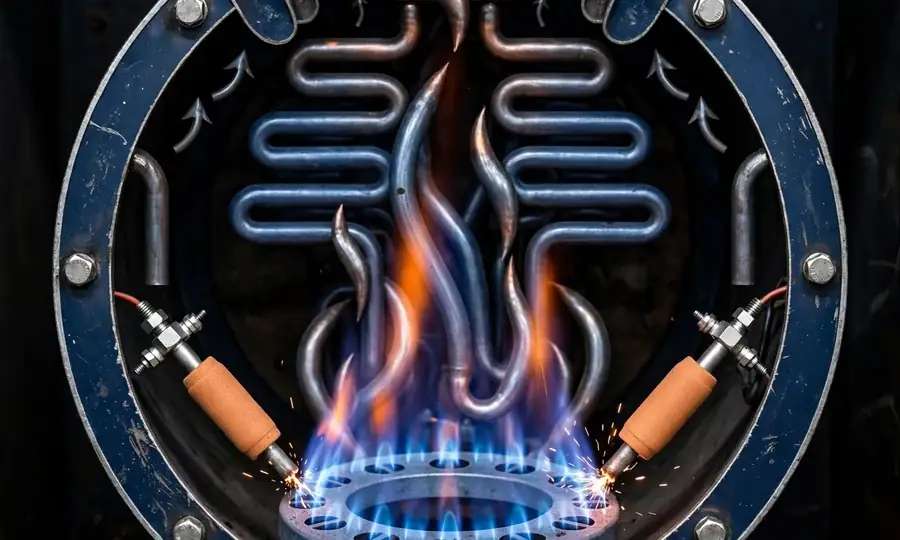
An oil burner meters fuel through a nozzle hole measured in thousandths of an inch — it wears every season and must be replaced annually, along with the filter. Electrodes pit and drift out of gap. Skip the service and you get poor atomization, soot, rising fuel use, and the January lockout.

The annual service is the whole game for oil: new nozzle, new filter, electrode check and gap, combustion test, and a look at the tank and lines. A serviced oil boiler starts on the coldest morning; an unserviced one is a lockout waiting for weather. Book early. Related information: national oil boiler repair.

Oil Boiler Repair in Manchester, CT

Frequently Asked Questions

Straight answers before you call.

01

My colonial's oil burner would not start right after a delivery. Is that related?

Very often, yes — a delivery stirs sediment in the tank, which then clogs the filter or nozzle. Air can also get into the line during the fill. Mention the recent delivery when you call (888) 766-1474; it points the triage straight at the fuel-supply side instead of the ignition side.
02

How do I read my oil tank gauge so I do not run dry?

The float gauge on top of the tank shows the fraction remaining — order before it hits a quarter tank in winter, earlier if a cold snap is coming. Running dry pulls air and sludge into the line, which turns a delivery into a service call for priming and a filter change.

03

The burner fires, runs about a minute, then cuts out. What causes that?

That fire-then-drop pattern usually means the flame is not being proven — worn electrodes, a fouled nozzle, or a failing flame-retention head. It needs a burner service with a combustion check, not repeated resets. Note the exact run time when you call; the pattern matters.

04

There is an oil smell in my basement but I cannot see a leak. Should I worry?

Yes — investigate, do not ignore it. Check the filter housing, fittings, and tank seams for weeping; even a slow seep smells strongly in a closed basement. Ventilate, do not run the burner if you find active dripping, and mention the smell on the call so the visit includes a full fuel-line inspection.

05

My tank sits in an unheated garage. Does the cold affect the oil?

Heating oil thickens a bit in real cold, and an exposed tank and line in an unheated garage deserve proper line protection and routing. For most Manchester winters it is a non-issue with standard fuel, but mention the tank placement when you call so the technician checks the line on the visit.

Oil burner trouble in Manchester?

Call (888) 766-1474 — describe the lockout pattern for fast triage.

☎   Call (888) 766-1474