Where does oil heat still exist in West Chester?
These are oil-fired cast-iron units in a gas town, often well-kept by owners who chose to stay. The burner trade covers them as a matter of course; you are the exception, not the oddity.
Oil burners are straightforward machines: nozzles, electrodes, filters, and fuel supply. This page covers how oil service works here, where oil heat lives, and how to read the symptoms.
General inquiries: 7 AM–7 PM · Emergency calls: 24/7 · (888) 766-1474
How oil heat works in practice here.
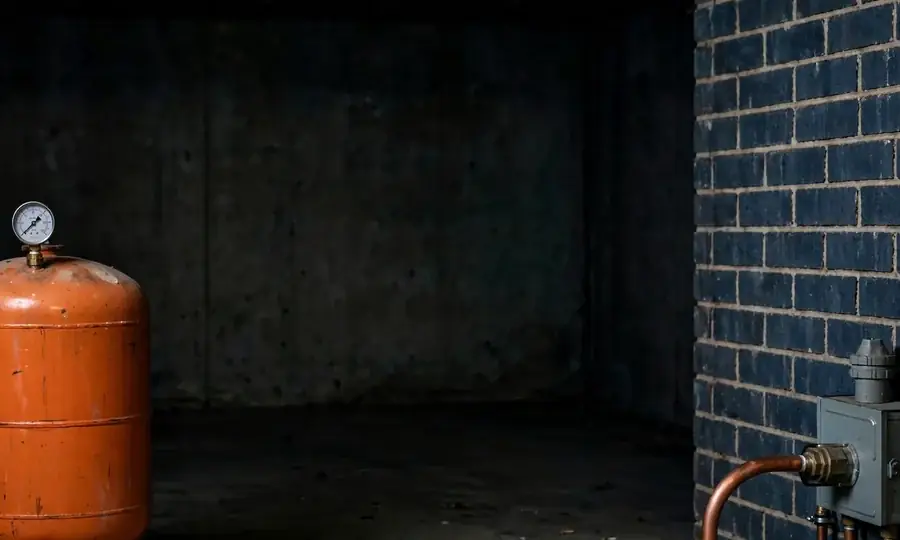
Oil heat means you own the fuel supply: a tank, a delivery truck, and a burner that turns that oil into heat. In West Chester's oil pockets, most tanks are above-ground basement tanks — visible, inspectable, and out of the weather, which is the easy case. What matters is tank age: these are often the oldest systems in the area, and a tank pushing 25–30 years deserves a hard look for weeping seams and rust at the legs, because a failed tank is a far bigger problem than a failed burner.
The rhythm that catches people is delivery timing. Oil households in a gas-dominated area sometimes forget they are on oil until January — and a run-out is the most preventable no-heat call in oil territory. Watch the gauge, and know that an oil burner that ran dry needs a proper restart — filter check, line prime, and burner reset done in the right order — not just a delivery and a prayer.
The pockets still on oil.
Because oil is uncommon here, these systems are easy to overlook: the burner that has not been serviced in years, the tank nobody has looked at since the house changed hands.
If your home is in one of these pockets, the first question is not the burner's age — it is the tank's age and condition, then whether the burner has had anything like regular service. An oil system with a sound tank and a maintained burner is dependable heat; one with neither is a January surprise waiting to happen. Our general repair page covers how diagnosis separates the two.
The fingerprints of oil faults.
For the full technical breakdown of oil burner systems, see our national oil boiler repair guide.
Straight answers before you call.
These are oil-fired cast-iron units in a gas town, often well-kept by owners who chose to stay. The burner trade covers them as a matter of course; you are the exception, not the oddity.
Delivery is routine but the tank is your responsibility: gauge checked weekly in winter, ordered at a quarter, and the tank's age known — tanks corrode from the inside. Township driveways need to stay clear for the truck in winter. A run-out in a gas town still means a burner bleed and a new filter, same as anywhere.
The standard wear set: nozzles, electrodes, filters, and heat exchangers carrying skipped-service soot. The pocket units skew older and well-kept or older and neglected — there is little middle ground. Annual service is the whole game: oil burners are maintenance machines, and the fuel you save pays for the visit.
In a gas-heavy town the infrastructure question usually answers itself — gas is nearby for most pocket homes. The real math is your equipment's age, your tank's condition, and your timeline: convert at replacement, or keep a healthy oil unit and its paid-off tank. Neither choice is wrong; the wrong move is deciding during a January breakdown.
Age, weeping, and smell: a tank past its expected life, seams that weep, paint blistering, or a fuel odor that is new. Tanks fail from the inside out, so a clean exterior proves nothing. An inspection before failure is a service call; after failure it is a cleanup. Know your tank's birthday.
Related services in the West Chester area.
Call (888) 766-1474 — describe the burner symptoms for fast triage.