

BROOKLYN BOILER SERVICE

Boiler Diagnosis & Repair in Brooklyn, NY

Boiler not heating right in Brooklyn? Describe the symptoms by phone — error codes, noises, what stopped working — and check local repair options for your ZIP. Gas, oil, steam, and hot-water systems, from brownstone plants to apartment-building boilers.

✓ All fuel types✓ Phone triage first✓ Local pro diagnosis

General inquiries: 7 AM–7 PM · Emergency calls: 24/7 · (888) 766-1474

Repair or replace?

Brownstone math: the boiler is only half the system.

In a brownstone the repair-or-replace question is really two questions: the boiler’s condition, and the one-pipe steam system’s condition. A sound boiler on dead vents and sagging returns will keep disappointing you no matter what you spend on the burner — while a tired boiler on a well-kept distribution system can be worth another decade. So the honest math here runs on four inputs: the fault (sensor cleaning versus cracked section), the boiler’s age and efficiency, its repair history, and the state of the steam distribution feeding those parlor-floor radiators.

The tech’s rule of thumb: a repair approaching a third of replacement cost on a 20-plus-year boiler means pricing both. The on-site visit gives you the pair — repair number plus a candid read on the boiler’s remaining life and the distribution’s health — so the choice is arithmetic, not salesmanship. When the numbers favor new iron, our replacement page covers steam sizing for brownstones specifically.

Boiler Repair in Brooklyn, NY

How Brooklyn boiler diagnosis works

Steam first, burner second — that ordering matters here.

Brooklyn diagnosis inverts the suburban order of operations: on one-pipe steam, distribution gets interrogated before the burner. Banging radiators in a Park Slope parlor? The tech checks radiator pitch, main venting, and boiler water level before touching the gas valve — because half of all “burner problems” in brownstones are steam problems wearing a disguise. A converted gas unit that lights and dies gets flame-sensing tests. An oil burner in a Bed-Stuy basement that locks out gets the nozzle-electrode-filter workup. A renovated building’s sealed system losing pressure gets the expansion tank and feed valve checked against the gauge.

What you describe on the phone aims this precisely: fuel, steam or hot water, the sound it makes, and what the radiators are doing. The visit then confirms with instruments and ends with findings explained before any authorization — the brownstone owner decides with the full picture. A true overnight no-heat failure follows different rules; the emergency page explains the 24/7 sequencing.

Boiler Repair in Brooklyn, NY

Common Brooklyn repair calls

The brownstone-and-walk-up hit parade.

  • Steam vent failures — dead radiator and main vents: banging, hissing, and cold rooms above a working boiler
  • Water-level and surging faults — boilers that can’t hold level, flooding returns, and priming that mimics bigger failures
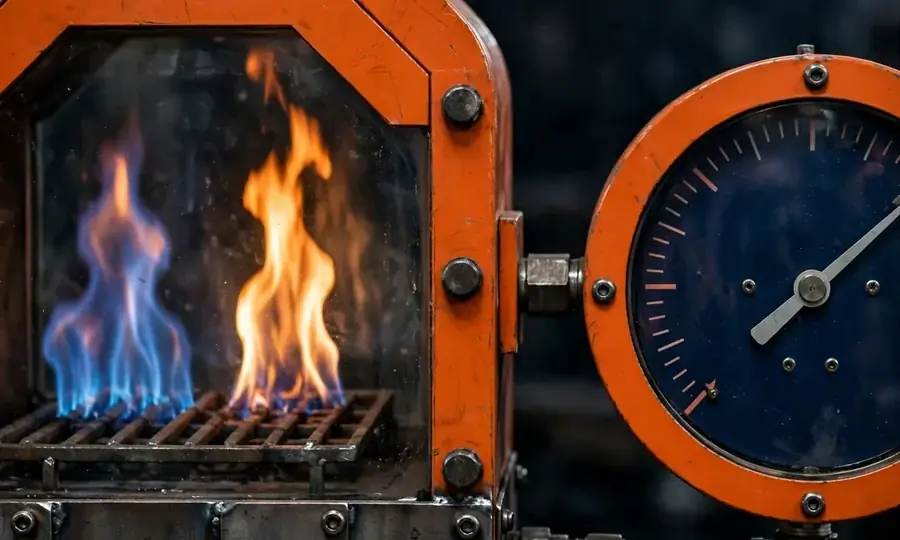
  • Flame-sensing dropouts — converted gas units that light for seconds and quit; soot on the sensor is the usual story
  • Oil burner lockouts — nozzles, electrodes, and filters in the brownstones and buildings that never converted
  • Sealed-system pressure decay — waterlogged expansion tanks and weeping joints in renovated hot-water buildings

The ten-minute brownstone triage

What to check before you call, steam-aware edition.

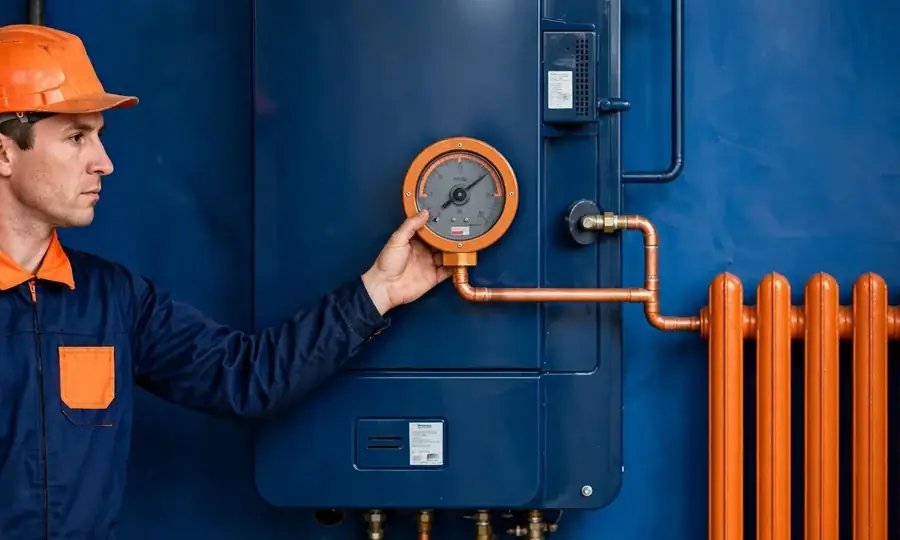
First, name your system: radiators with little vents on the side mean one-pipe steam — say so immediately, because it rewrites the triage. On steam, read the sight glass: water at half is healthy, empty means the low-water cutoff shut the burner down to save the boiler. On hot water, read the gauge: cold systems want roughly 12–15 psi. Check the thermostat is calling, tap the oil float if you burn oil, and press reset exactly once if the burner tripped. Note the sounds — banging, hissing, gurgling each point somewhere different — and what changed recently.

Gauge readings decoded in plain language: our boiler pressure guide. Steam versus hot-water implications: our steam vs. hot-water guide.

Boiler Repair in Brooklyn, NY

What the on-site visit involves

A basement-to-parlor-floor investigation.

The tech works the building the way heat moves through it. Steam calls start at the boiler — water level, pressuretrol settings, main venting — then move upstairs to radiator pitch and vent condition, because the fault often lives three floors above the burner. Gas units get flame-signal readings and igniter checks with meters. Oil burners get nozzle spray, electrode gap, and cad-cell sighting plus filter and tank condition. Sealed hot-water systems get expansion-tank charge tested against the gauge and the feed valve examined: chronic refilling without finding the leak just restarts the clock.

Findings come before authorization, in plain language: what failed, what it costs, and what the rest of the system — boiler and distribution — looks like for the years ahead. That complete picture is the point of diagnosis-first work. For the early warnings worth learning, see our signs your boiler needs repair guide.

Boiler Repair in Brooklyn, NY

Frequently Asked Questions

Straight answers before you call.

01

The radiators on the top floor of my Fort Greene brownstone stay cold while the lower floors heat fine. What is wrong?

On one-pipe steam that pattern usually means the air vents on the top-floor radiators have failed, so steam never pushes the air out and the radiator never fills. Main vents on the steam lines in the basement can cause the same symptom building-wide. A technician checks vent function and steam-main pitch before touching the boiler, because the boiler is rarely the culprit here.
02

My boiler short-cycles in my Greenpoint walk-up. Should I keep resetting it?

Resetting once is fine; resetting repeatedly is not. Short-cycling on a Brooklyn gas unit usually points to a flame-sensing fault, a dirty flame sensor, or a thermostat and wiring issue, and on steam systems it can mean a pressure control problem. Repeated resets mask the fault and let it get worse. Call (888) 766-1474, describe the cycle pattern, and get a diagnosis instead of another reset.

03

Water is pooling under my boiler in my Sunset Park basement. Is the boiler cracked?

Maybe, but check the simpler causes first. Leaks under Brooklyn boilers often come from a relief valve discharging, a failed auto-fill valve overfilling the system, or weeping pipe fittings, all cheaper than a cracked section. On steam, watch the sight glass: if the water level drops steadily while the boiler runs, stop using it and call (888) 766-1474, because running a steam boiler dry is dangerous.

04

The pressure gauge on my hot-water boiler in a Williamsburg condo keeps dropping to zero. What should I do?

First, look for the leak the pressure loss is telling you about: check radiator valves, baseboard fittings, and the relief valve discharge pipe for damp spots. A failed expansion tank is the other classic cause in sealed Brooklyn condo systems. Topping up through the auto-fill valve without finding the cause just repeats the cycle. Call (888) 766-1474 and mention the pressure reading when you call.

05

My radiators hiss constantly in my Bed-Stuy brownstone. Is that normal for steam?

Some hissing is the sound of one-pipe steam doing its job, but loud or constant hissing means an air vent is stuck open or oversized for the radiator. A failed vent also wastes fuel and can spit water. Vents are inexpensive parts, and matching the vent size to the radiator is part of the fix. If hissing turned into banging, mention that on the call too, because it points to a different fault.

Boiler acting up in Brooklyn?

Call (888) 766-1474 — describe the symptoms and check local repair options for your ZIP.

☎   Call (888) 766-1474