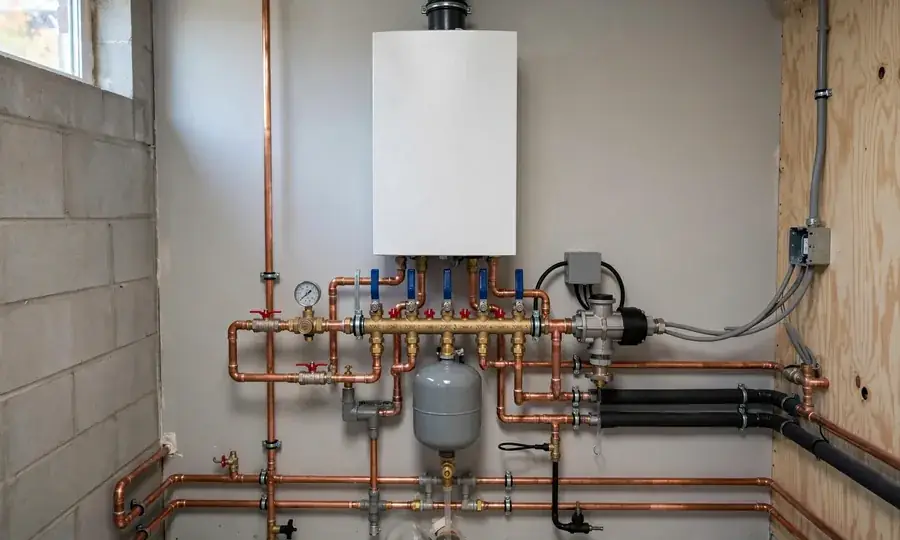
My oil burner in western Waltham locked out overnight. Reset it?
Press reset exactly once — if it fires and holds, watch it; if it locks out again, stop and call. Repeated resets flood the chamber with unburned oil.
Oil burner trouble in Waltham? Lockouts, tanks, deferred maintenance: call to describe the symptoms.
General inquiries: 7 AM–7 PM · Emergency calls: 24/7 · (888) 766-1474
The gauge is your job.
Will-call oil customers own one discipline: the gauge. Check it weekly in winter, order at a quarter tank — not an eighth. A quarter tank in January can vanish in a cold snap; an eighth is a run-out waiting for a delivery slot.
After any run-out: the burner needs attention even after delivery — sludge and air from the tank bottom clog the nozzle and filter. Tell the triage it was a run-out; it changes the diagnosis.
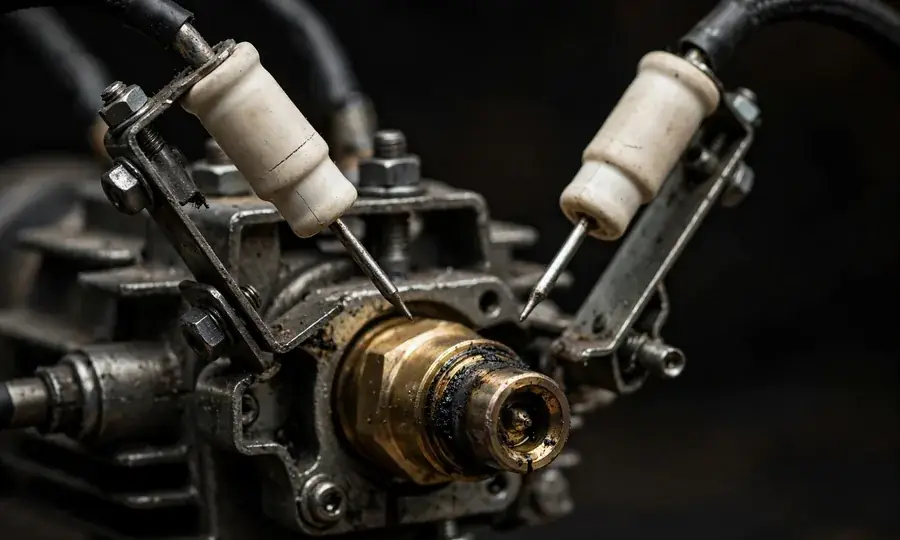
Oil burner problems can involve fuel supply, filters, ignition components and the condition of the tank. Describe your symptoms and system when calling.
Oil in Waltham clusters in older homes on the west and north sides — streets the gas mains reached late or never. These are typically colonials and capes with original oil boilers, 25 to 40 years old, with the familiar profile: long service gaps, aging tanks, worn burners.
The triage always asks service history and tank age first — the answers usually write the diagnosis.
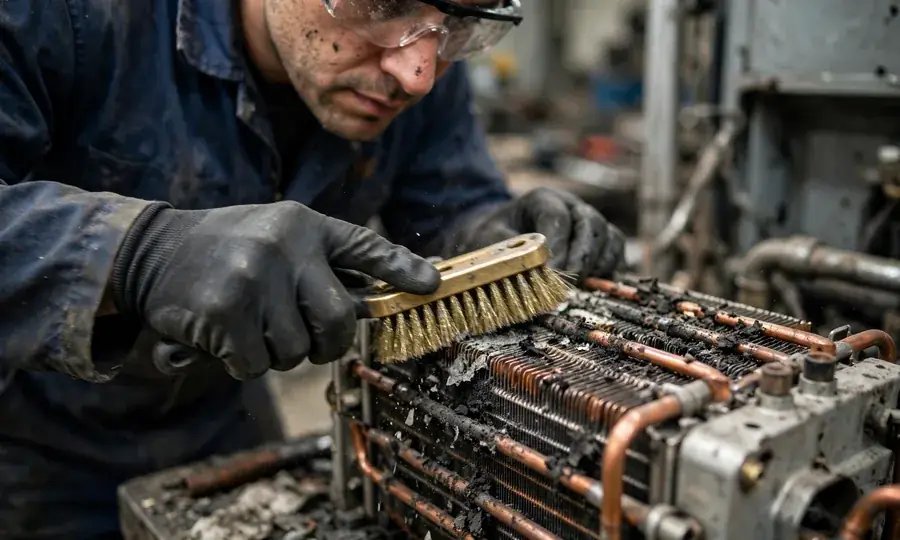
Oil burner problems can involve fuel supply, filters, ignition components and the condition of the tank. Describe your symptoms and system when calling.
For the full burner-component breakdown, see our national oil boiler repair guide.
The pockets' weak link.
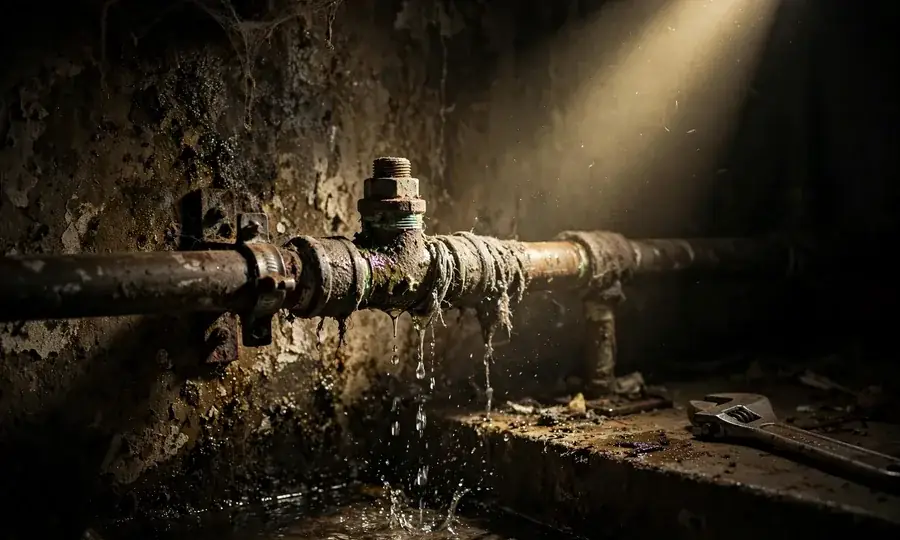
Oil in Waltham clusters in older homes on the west and north sides — and the tanks are typically the same vintage as the 25-to-40-year-old boilers they feed. Watch for: weeping or damp spots on the tank body, fuel odor that was not there last year, rapid filter clogging no service interval explains, or a tank over 30 years old. Check behind the stored boxes in the basement corner — slow weeping hides there.
A failing tank is not a patch job — replacement planned beats replacement emergency. And at boiler-replacement time, price the tank question together with the boiler: a new burner on a dying tank is money in the wrong place. The Waltham replacement page covers the combined decision, including the gas-conversion question where mains reach.
The minority reality.
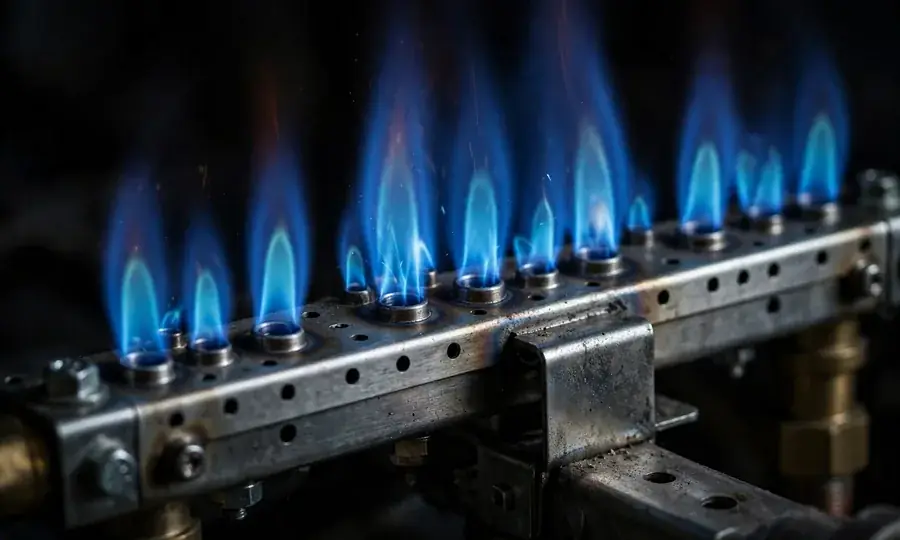
Fuel type varies by property. Check whether the boiler uses gas, oil, propane, or electricity before calling; the fuel source affects the appropriate diagnostic steps.
After any run-out, the burner needs attention even after delivery — sludge and air from the tank bottom clog the nozzle and filter. Tell the triage it was a run-out; it changes the diagnosis. Automatic delivery is worth considering for will-call households that have run dry before. And where gas mains reach the street, the conversion math is on the Waltham installation page.
Straight answers before you call.
Press reset exactly once — if it fires and holds, watch it; if it locks out again, stop and call. Repeated resets flood the chamber with unburned oil.
Cold snaps burn faster than the gauge suggests. If the burner has already stopped, say so on the call; it changes the triage.
A faint smell right after delivery fades; a persistent or growing odor means a weeping fitting, a tank seam starting to go, or a drip at the filter — none of which fix themselves. Check for wet spots under the tank and along the fuel line. Mention the smell on the call; oil odors get a prompt visit.
Puffback means delayed ignition — oil pooling before it lights — and it deserves prompt attention. It usually traces to a worn nozzle, weak electrodes, or poor draft. Describe the smoke on the call; a burner tune-up with a combustion check is the fix. Do not keep running it to see if it clears.
If it is weeping at the seams, rusting along the bottom edge, or its age is a mystery, yes — plan the replacement on your schedule rather than the tank's. A tech can assess the tank during a service visit. Mention any odor or dampness under the tank when you call.
Related services in the Waltham area.
Call (888) 766-1474 — describe the symptoms for oil-specific triage.