TAUNTON OIL SERVICE

Oil Boiler Repair in Taunton, MA

Oil burner trouble in Taunton? Aging burners, old tanks, deferred maintenance: call to describe the symptoms.

✓ Ask about fuel-specific repairs✓ Burner rebuilds✓ Confirm coverage by ZIP

General inquiries: 7 AM–7 PM · Emergency calls: 24/7 · (888) 766-1474

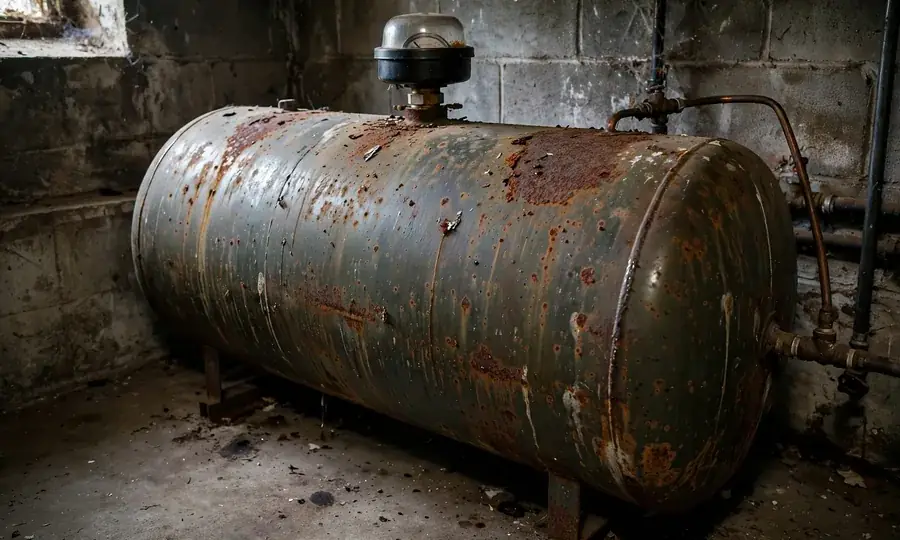
Oil tank with rust spots and fuel gauge

Sludge: Taunton’s tank-bottom truth

Old tanks grow more of it.

Every oil tank grows sludge — rust, microbial growth, fuel breakdown — but Taunton’s 30-to-40-year-old indoor tanks grow more of it. It sits harmless until a low tank, a delivery’s agitation, or a cold snap stirs it into the pickup; then filters clog monthly, nozzles foul, and the burner starves with oil in the tank. The Taunton tells: starvation above a quarter tank, water in the filter bowl, a tank old enough that its install date is family lore. Prevention is unglamorous: keep the tank reasonably full through winter, budget a tank cleaning every few years on old steel, and buy from a supplier whose fuel does not arrive dirty. A burner cannot out-tune a bad tank.

Taunton runs on oil

Fuel type varies by property. Check whether the boiler uses gas, oil, propane, or electricity before calling; the fuel source affects the appropriate diagnostic steps.

The profile is consistent: deferred maintenance, aging indoor tanks, burners running on worn nozzles and eroded electrodes. Triage always asks service history and tank age first, because in this housing stock the answers write the diagnosis — a decade-unserviced burner is compound wear, not a mystery. Oil heat here is excellent heat — even, comfortable, reliable — when the burner gets its annual hour.

Oil Boiler Repair in Taunton, MA

Read your symptoms

Mill-town oil, decoded.

  • Burner fires, runs seconds, locks out — nozzle wear or electrodes; the deferred-maintenance classic
  • Startup ends in a smoke puff — delayed ignition on a worn burner, sooting the chamber each time
  • Filter clogs every few weeks — tank rust and sludge; the tank is the diagnosis, not the filter
  • Gauge reads quarter, burner starves — water or sludge at the pickup; stop running it low
  • Damp spots or odor at the indoor tank — weeping steel; plan the replacement, do not patch and pray

For the full burner-component breakdown, see our national oil boiler repair guide.

Tank replacement signals

Thirty years is the horizon.

Taunton’s indoor tanks age out around 30: watch for weeping or damp spots on the bottom seams, fuel odor in the basement that was not there last year, filters clogging faster each month, or a tank whose age nobody can confirm. A failing tank is never a patch job — and in a worker multi, a tank failure threatens finished space and tenants below. Replacement planned in September beats replacement emergency in January, every time. Price the tank with any boiler work; a new burner on a dying tank is money aimed at the wrong problem.

Anatomy of an oil service visit

One hour, every fall.

A proper annual service is about an hour and it is the same every fall: nozzle replaced (they wear — every year), oil filter replaced, electrodes inspected, cleaned, and gapped, burner housing vacuumed, heat exchanger brushed, and combustion tested with instruments — O2, CO, efficiency, draft — with the readings shared, not pocketed. The tank gets a glance: age, weeps, water. If a past “service” skipped the combustion test, it was a cleaning. Ask for the readings; they are the difference between maintained and merely visited. This hour is what stands between a Taunton workhorse and a January lockout.

Order timing: the January trap

The gauge is your job.

Will-call oil homes own one discipline: the gauge. An eighth of a tank is a run-out waiting for a delivery slot, and a run-out stirs the tank bottom: post-delivery, the burner needs attention even with a full tank, because sludge and air from the bottom have clogged the nozzle and filter. Tell triage it was a run-out — it changes the diagnosis from “worn parts” to “contaminated fuel path,” and the fix sequence changes with it.

Frequently Asked Questions

Straight answers before you call.

01

My Taunton oil burner locked out and the reset button is my best friend lately. Help?

Stop resetting and call — repeated resets flood the combustion chamber with unburned oil, and a burner that needs constant resets is telling you the tune-up is overdue. A proper burner service with a combustion check ends the cycle.
02

When should I order oil for my Whittenton colonial?

The restart after a runout needs a professional prime and bleed. Check the gauge weekly in winter; it is the cheapest habit you can build.

03

There is an oil smell in my Oakland basement that was not there last year. Why now?

A new or growing odor means something changed — a weeping fitting, a tank seam starting to go, or a drip at the filter. Many Taunton tanks are 30-plus years old, older than owners realize. Check for wet spots under the tank and mention the smell on the call; oil odors get a prompt visit.

04

My oil boiler soots up every winter in downtown Taunton. Root cause?

Recurring soot means the burner never holds its adjustment — wrong nozzle, poor draft, or a heat exchanger that has not been properly cleaned in years. Soot is wasted fuel and a warning sign. Annual burner service with a combustion check, every fall, is what breaks the cycle.

05

The tank gauge says half but my Taunton burner ran dry. How does that happen?

Stuck gauges and corroded float arms are common on older tanks — the dial is an estimate, not a measurement. A tech can verify the real level with a dipstick and replace the gauge. Until then, track deliveries against your burn rate instead of trusting the needle.

Oil burner trouble in Taunton?

Call (888) 766-1474 — describe the symptoms for oil-specific triage.

☎   Call (888) 766-1474