
Older Coastal Homes and Boiler Repair in New Bedford, MA
New Bedford's large older houses lose heat in the far rooms first, and their basements take in damp and storm water that a boiler was never designed to sit in. Start from your house type below, then call (888) 766-1474 and say how far the cold rooms sit from the boiler, whether the basement stays damp, and which fuel you use. Confirm coverage for your address on the call itself.
General inquiries: 7 AM–7 PM · Emergency calls: 24/7 · (888) 766-1474
Lead with distance and damp, not the boiler brand
Two observations steer a New Bedford visit: how far the coldest room sits from the boiler, and whether the basement stays wet, floods in storms, or both. Long runs shed warmth on the way, so a distant bedroom can freeze while rooms beside the boiler roast. A wet basement corrodes and blocks the very kit meant to heat the house. A basement that floods while heat fails is an emergency — New Bedford emergency boiler repair covers that combination.
Sketch the house in one sentence — big older house or converted mill, radiators or baseboard, one boiler for the whole place or a converted wing on its own controls. A mill wing with separate controls behaves like a separate house.
Wet basements wear boilers out from below
Faults that bunch after storms or through the wettest months are often damp wearing the system down: rusted flues, ignition that falters in wet air, filters choking early, joints weeping where damp hides the stain. Treating the boiler while ignoring the basement invites the same breakdown with the next wet spell. Damp-worn faults that keep returning are routine cases for New Bedford boiler repair.
Floodwater is a different category from damp. A boiler that stood in storm water should not be restarted on hope — report depth and duration, and let the technician judge whether it is safe to run at all.
Harbour-side streets and mill conversions face different water: one takes wind-driven rain and salt spray against its flues, the other takes ground damp rising through thick mill walls. Either way, the basement tells the story first — a floor that never dries, a wall that darkens after storms — and reporting that story early keeps the repair aimed at the cause rather than the symptom.
Storm nights reorder the call
On a storm night, water outranks warmth in the conversation: depth, whether it still rises, and whether it touched boiler, controls or electrics. On a dry night, the room gradient matters most — nearest rooms first, farthest last. Either way, a sudden whole-house loss, a leak, a gas smell or a flooded boiler room goes first; far rooms fading across a winter are a different job, but not one that improves by waiting.
Pick the New Bedford guide that fits your fault
Each guide starts from the building, not the boiler brand.
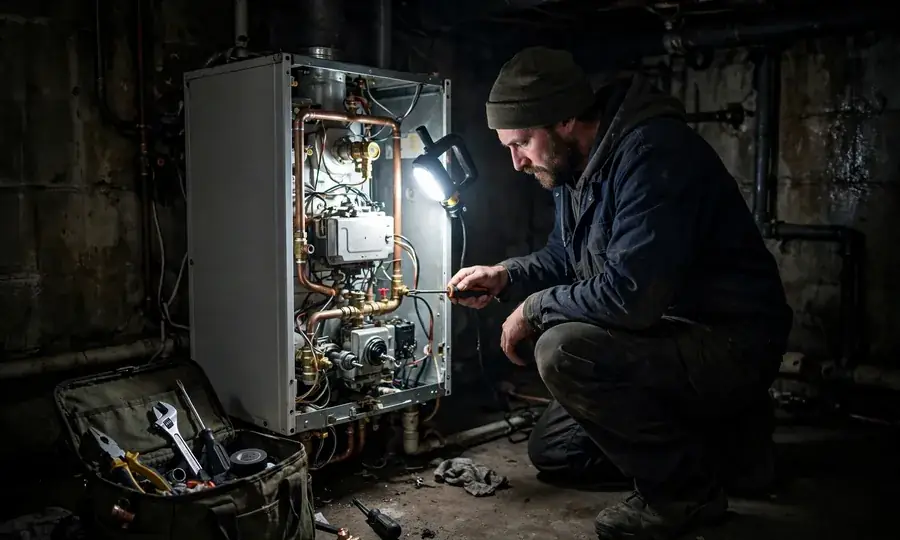

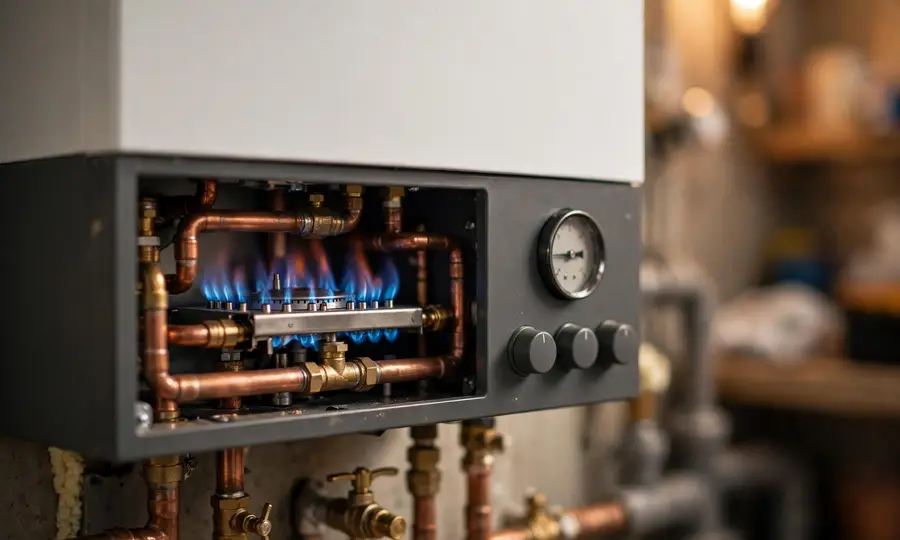
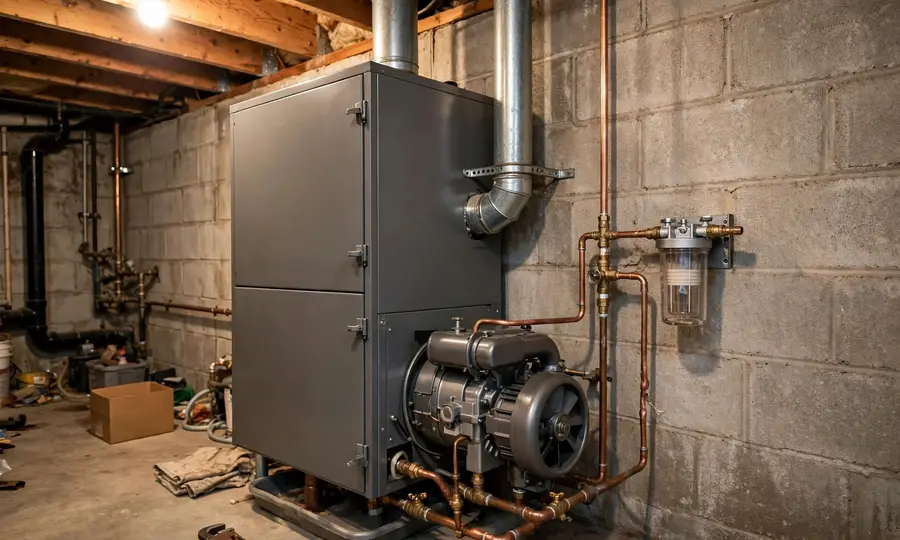

Start with the house and the basement, not the boiler alone
House shape, far rooms, basement state — call (888) 766-1474 and confirm options, fees and scheduling.
General inquiries: 7 AM–7 PM