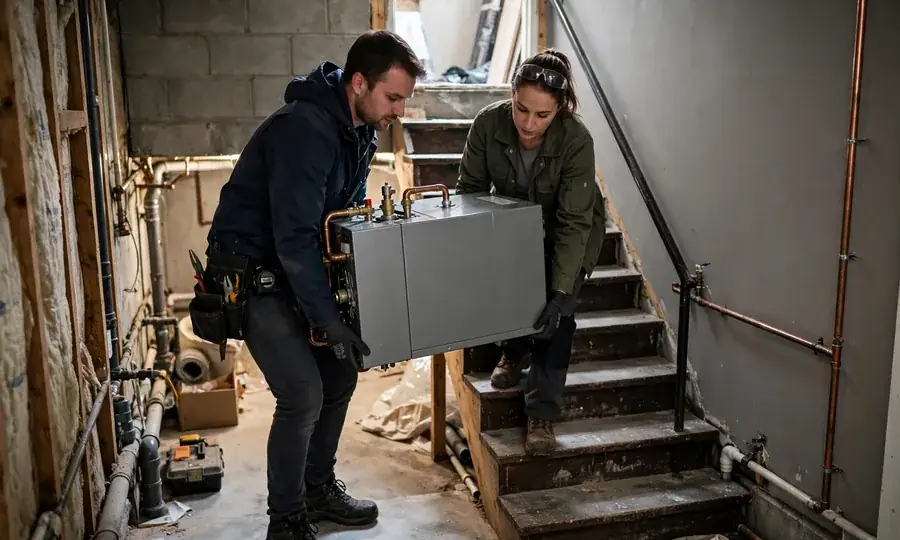
Why does my boiler break down every winter?
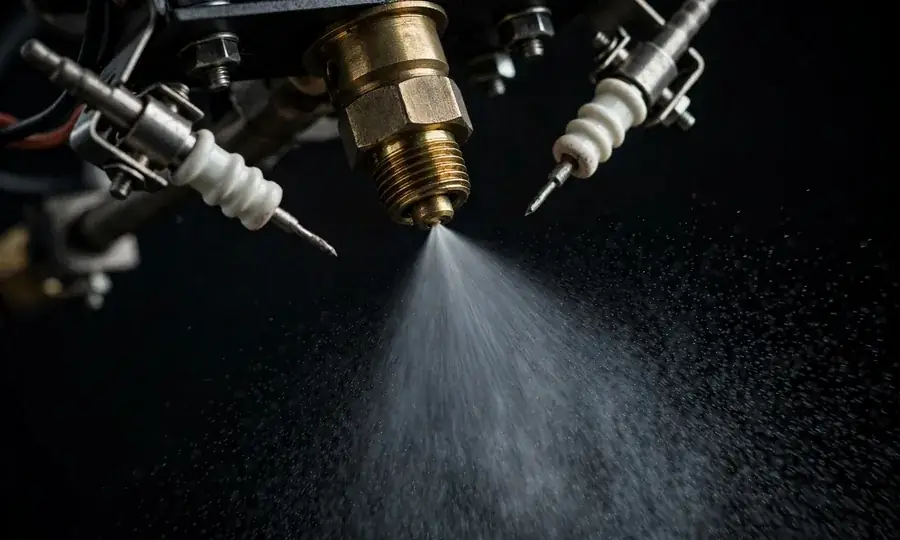
Usually maintenance debt: worn nozzles, loaded filters, and eroded electrodes compound until the coldest night finishes the job. Annual service breaks the cycle.
Not sure what is wrong with your Brockton boiler? Diagnose first: oil burner wear, ignition faults, and multi-family distribution problems each have a signature. Describe the symptoms — fuel type, what the boiler does, which units are affected — and get honest triage on repair versus replacement.
General inquiries: 7 AM–7 PM · Emergency calls: 24/7 · (888) 766-1474
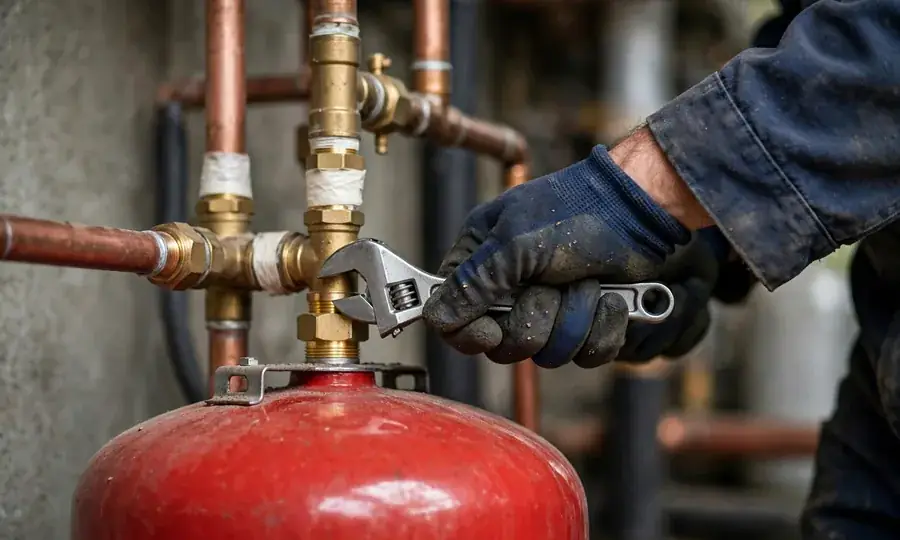
Catching it early.
Boiler economics in Brockton follow a cruel curve: the small fix (a flame sensor, a nozzle, a zone valve) ignored becomes the big fix (a sooted heat exchanger, a seized pump, a flooded basement). The difference is almost always time — weeks of warning signs that looked livable.
Warning signs that deserve a call now, not in January: new noises, longer run times for the same weather, rooms that used to heat fine going lukewarm, pressure that keeps dropping, any new smell. Each is cheap to diagnose today.
Run hard, serviced rarely.
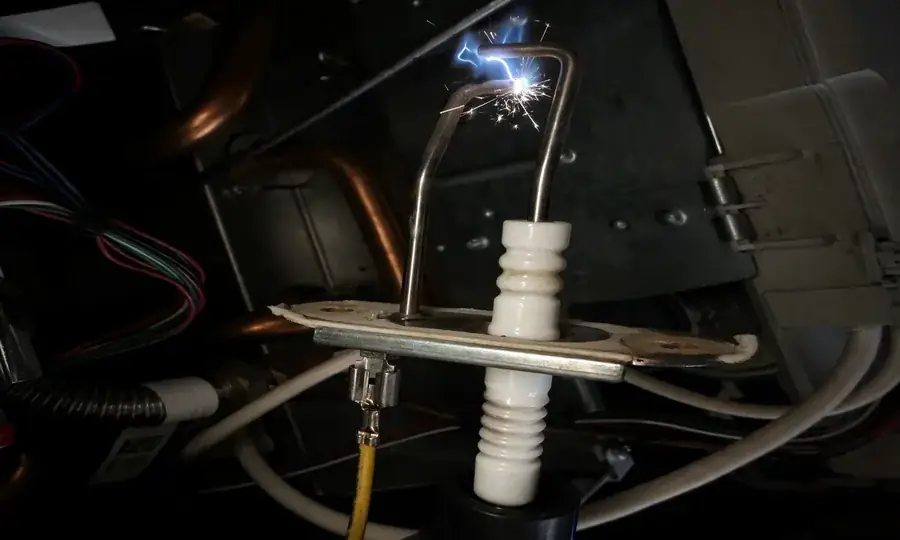
Brockton boilers share a profile: older than average, serviced less than average, run harder than average. The fault patterns follow — burner wear on oil units (worn nozzles, loaded filters, eroded electrodes), ignition faults on gas units, and distribution problems in multi-family buildings where one boiler serves units with different needs.
Good triage asks: fuel type, service history, how many units affected. On site, the tech tests the burner or ignition subsystem first — because in Brockton, that is where the fault usually lives.
What comes up.
Said once, plainly.
Many Brockton breakdowns are maintenance debt coming due: the burner that skipped five tune-ups, the filter never changed, the tank never inspected. The repair fixes today; the conversation prevents next January. An annual burner service — nozzle, filter, electrodes, combustion test — costs a fraction of one emergency call and prevents most of them.
Compound wear has a signature.
Brockton boilers share a profile: older than average, serviced less than average, run harder than average. Diagnosis here starts with service history, because deferred maintenance produces compound faults — a flame sensor never cleaned plus a filter never changed plus electrodes eroded for years. Each is minor alone; together they kill a system on a cold morning.
Say when the boiler was last serviced on the call — it changes the diagnostic path. A unit with a five-year gap gets a different first hour than one serviced last fall. And the honest output of a deferred-maintenance diagnostic is sometimes "repair the wear set" and sometimes "stop feeding this unit" — either answer beats another January surprise.
One boiler, different needs.
When one boiler serves two or three units, distribution fairness is the diagnosis: one unit roasting while another freezes is a balancing problem, not a boiler problem. Causes run from simple (a thermostat in the warmest room, radiators valved down by a previous tenant) to structural (piping that never balanced, a single zone trying to serve floors with different heat loss).
The diagnostic walk: note which units are warm and which are cold, and whether the pattern changes with weather. Mild-day imbalance points at balancing; deep-cold imbalance points at capacity or distribution limits. Report the pattern — it tells triage whether the fix is valves and balancing or something bigger.
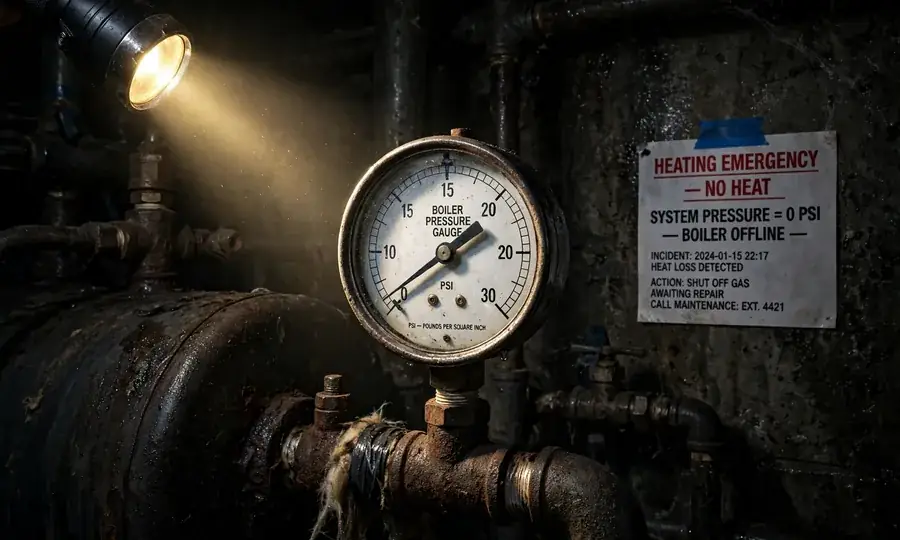
Straight answers before you call.
Usually maintenance debt: worn nozzles, loaded filters, and eroded electrodes compound until the coldest night finishes the job. Annual service breaks the cycle.
you can call to describe the problem; the pro prices work after on-site diagnosis. Burner-component repairs are typically the most affordable major work a boiler needs.
Distribution problem: zone valve, air-bound loop, or balancing. One boiler serving uneven units is a classic multi-family call — fixable, and worth fixing before tenants escalate.
It is a warning, not yet an emergency — but do not ignore it. New noises (kettling, banging, whistling) mean something changed inside. A service visit now catches the small-fix version.
The rule of thumb: if the block is sound and the repair is under roughly a third of replacement cost on a unit under 25, repair. Weeping block or annual breakdowns — get the replacement math.
Related services in the Brockton area.
Call (888) 766-1474 — describe the symptoms for honest triage.