BEVERLY INSTALLATION SERVICE

Boiler Installation & Replacement in Beverly, MA

This page covers the signals that matter, how sizing really works, and the gas-vs.-oil question, so you walk into the conversation with a pro already fluent in the trade-offs.

✓ Replacement signals✓ Right-sizing by heat loss✓ a phone conversation about symptoms

General inquiries: 7 AM–7 PM · Emergency calls: 24/7 · (888) 766-1474

When replacement beats repair

The signals that matter — age is just context.

A boiler’s age tells you less than its behavior. The signals that actually point at replacement: section weeps or cracks — water seeping between cast-iron sections means the block itself is failing, and blocks don’t heal; a burner that needs constant attention — if every heating season brings a new burner fault on a 25-plus-year unit, you’re maintaining, not repairing; efficiency stuck in the 70s while fuel bills climb year over year, especially on oil where a worn burner compounds the waste; and parts drying up — when the control or gas train for your unit is obsolete, the next failure is a replacement anyway.

What doesn’t signal replacement: a single failed component on an otherwise sound block, a control board on a ten-year-old unit, or a pressure issue that traces to the expansion tank. Those are repairs wearing a scary costume. The diagnosis page is the right first stop when you’re unsure — a good pro will tell you when the block is done and when it isn’t, because the honest answer is also the repeat-business answer.

Boiler Installation & Replacement in Beverly, MA

Sizing: by the house, not the old plate

The old boiler’s rating is not the answer.

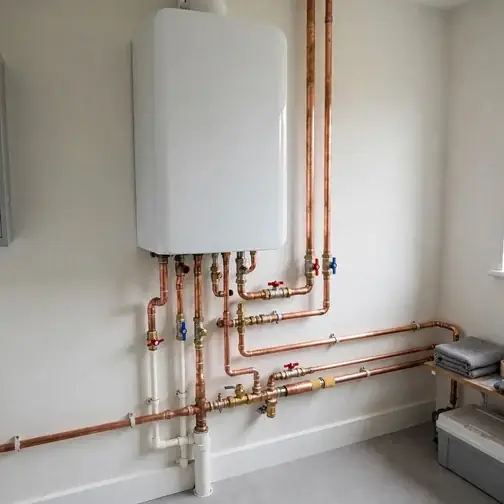
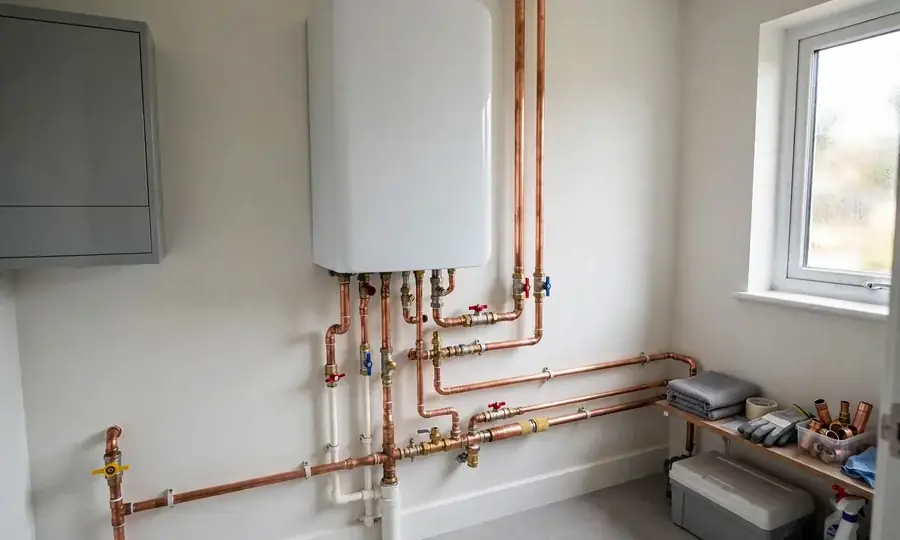
New high-efficiency boiler installed in a clean home utility room with copper piping

The most common sizing mistake is copying the old boiler’s rating onto the new one. Old boilers were routinely oversized — installed by rule of thumb, then upsized again ‘to be safe’ — and an oversized boiler short-cycles: fires hard, satisfies the thermostat in minutes, shuts down, repeats. Short-cycling wastes fuel, wears components, and heats unevenly. The right size comes from a heat-loss calculation: the house’s actual load on the coldest design day, room by room.

Beverly housing makes this interesting. A drafty 1820s colonial near the waterfront can have twice the heat loss per square foot of an insulated 1960s cape in Ryal Side — same footprint, wildly different boilers. Additions, finished basements, and new windows since the old boiler went in all change the math. Any installer who sizes from the old nameplate instead of the house is guessing; the heat-loss calc is the difference between a boiler that sips and a boiler that slams.

Boiler Installation & Replacement in Beverly, MA

Stay with oil or switch to gas?

Beverly’s defining replacement question.

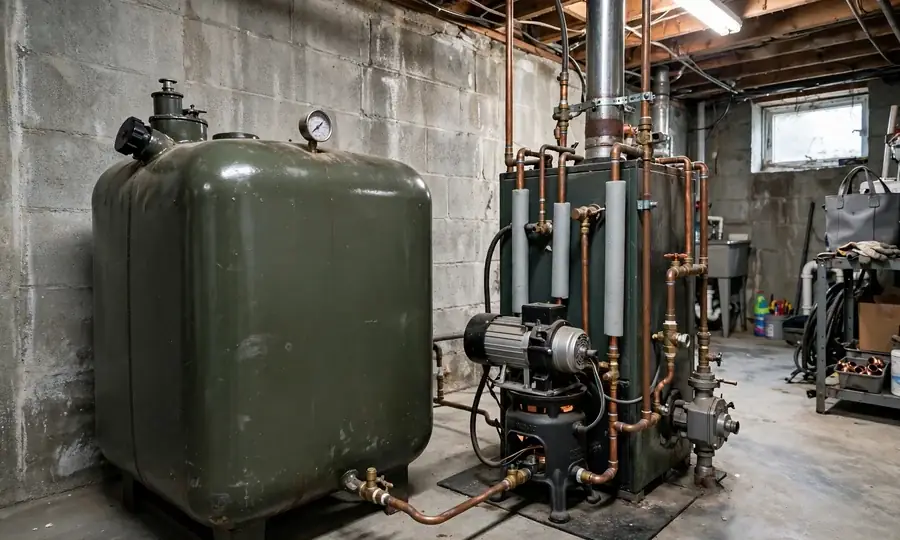
The questions that decide it: is there a gas main on your street, and what does the connection involve? Some downtown and main-street blocks have gas at the curb; some oil streets never got the main, and extending it is the gas utility’s decision, not yours. What happens to the tank? Switching fuels means the oil tank gets properly decommissioned or removed — an above-ground basement tank is straightforward; a buried tank is a bigger conversation. Where does the new unit vent, and where does condensate go? High-efficiency gas units need sidewall venting and a condensate drain; oil units need a chimney or direct vent rated for oil.

Honest framing: staying with oil keeps the infrastructure you have and modern oil equipment is far cleaner-burning than the 30-year unit it replaces; switching to gas removes deliveries and the tank from your life but depends on the main reaching you. A good pro lays out both paths for your specific street and house — including what each path does to the venting, the chimney, and the basement layout — and lets the house decide. If you’re weighing the system types themselves, steam vs. hot-water boilers covers the underlying trade-offs.

Boiler Installation & Replacement in Beverly, MA

What’s involved in an installation

What the job actually looks like, start to finish.

A boiler replacement is a multi-day project, not a swap. It starts with a site survey: heat-loss calc, fuel infrastructure, venting path, chimney condition, basement access (downtown colonials with narrow stairs get measured twice), and where the new unit, piping, and controls will live. Then removal: the old block comes out in pieces — cast iron doesn’t leave through a bulkhead in one piece — and gets disposed of properly, along with old controls and dead piping.

The installation itself is piping, venting, fuel connection, and controls: near-boiler piping redone to the manufacturer’s spec (this is where efficiency is won or lost), the venting run to code, and modern controls — outdoor reset, which modulates water temperature with the weather, is the single biggest comfort upgrade most replacements deliver. Then commissioning: fired, tuned, combustion-tested, and walked through with you. Expect the house to be without heat during the changeover — scheduled in shoulder season when possible, which is another reason fall surveys beat January emergencies.

Boiler Installation & Replacement in Beverly, MA

Coastal and colonial special cases

Beverly wrinkles worth planning around.

Steam-to-hot-water conversions come up in the captains’ district: a one-pipe steam system at the end of its life, and the question of whether the replacement stays steam or converts. Conversion means new distribution thinking — radiators can often stay, but the piping logic changes completely — and it’s a bigger project than a like-for-like steam swap. Both paths are legitimate; the house’s piping and your tolerance for project scope decide.

Near the water, venting and exposed metal get specified for the coast: corrosion-resistant vent materials, protected terminations, and a plan for the salt air that ate the last unit’s vent pipe. Tight downtown basements constrain what fits down the stairs — sectional boilers exist partly for this reason — and old chimneys get inspected before any unit vents into them, because a flue that served a 1960s oil burner may not suit a modern unit without a liner.

Boiler Installation & Replacement in Beverly, MA

Frequently Asked Questions

Straight answers before you call.

01

How do I know it’s time to replace instead of repair?

The block decides: section weeps or cracks, a heat exchanger that’s done, or parts that no longer exist. Short of that, the pattern decides — every season bringing a new burner or control failure on a 25-plus-year unit means you’re funding a replacement one repair at a time. A diagnosis visit can give you the honest version of where your unit sits.

02

Can I switch from oil to gas in Beverly?

Sometimes — it depends on whether a gas main serves your street and what the utility requires for a connection. Downtown and main-street blocks are the most likely candidates; some oil streets never got mains. The switch also means decommissioning the oil tank and reworking venting and condensate. A site survey answers it definitively for your address.

03

Should the new boiler be the same size as the old one?

Almost certainly not — old boilers were routinely oversized, and copying the nameplate copies the mistake. Proper sizing comes from a heat-loss calculation of your house as it stands today: insulation, windows, and additions since the old unit went in all count. An oversized boiler short-cycles, wastes fuel, and heats unevenly.

04

What happens to my old oil tank?

It gets properly decommissioned or removed as part of the project — drained, cleaned, and either removed or filled and abandoned to code, with paperwork. An above-ground basement tank is straightforward; a buried tank involves more steps and sometimes soil testing. It’s a planned part of the job, not an afterthought.

05

How long does a boiler installation take?

A straightforward like-for-like replacement is typically a multi-day job: survey and ordering first, then removal, installation, and commissioning. Fuel switches, steam conversions, chimney work, or tight-access downtown basements add time. Schedule it in the shoulder season and the house is never without heat when it matters.

06

My colonial has steam radiators. Can I keep them with a new boiler?

Often, yes — the radiators are usually the longest-lived part of a steam system. A like-for-like steam replacement keeps them; a conversion to hot water can also reuse them with repiping. What matters is the condition of the near-boiler piping and the radiators’ valves and vents, which the survey evaluates.

Replacement reading

National pages for the bigger decisions.

The national boiler leak and pressure repair page helps distinguish a dying block from a fixable leak, and steam vs. hot-water boilers covers the system-type decision many colonials face. For the repair-first path, see the Beverly diagnosis page — and the city sits inside the Massachusetts coverage area.

Thinking about replacing your Beverly boiler?

Call (888) 766-1474 — talk through the signals, the sizing, and the fuel choice with a local pro.

☎   Call (888) 766-1474